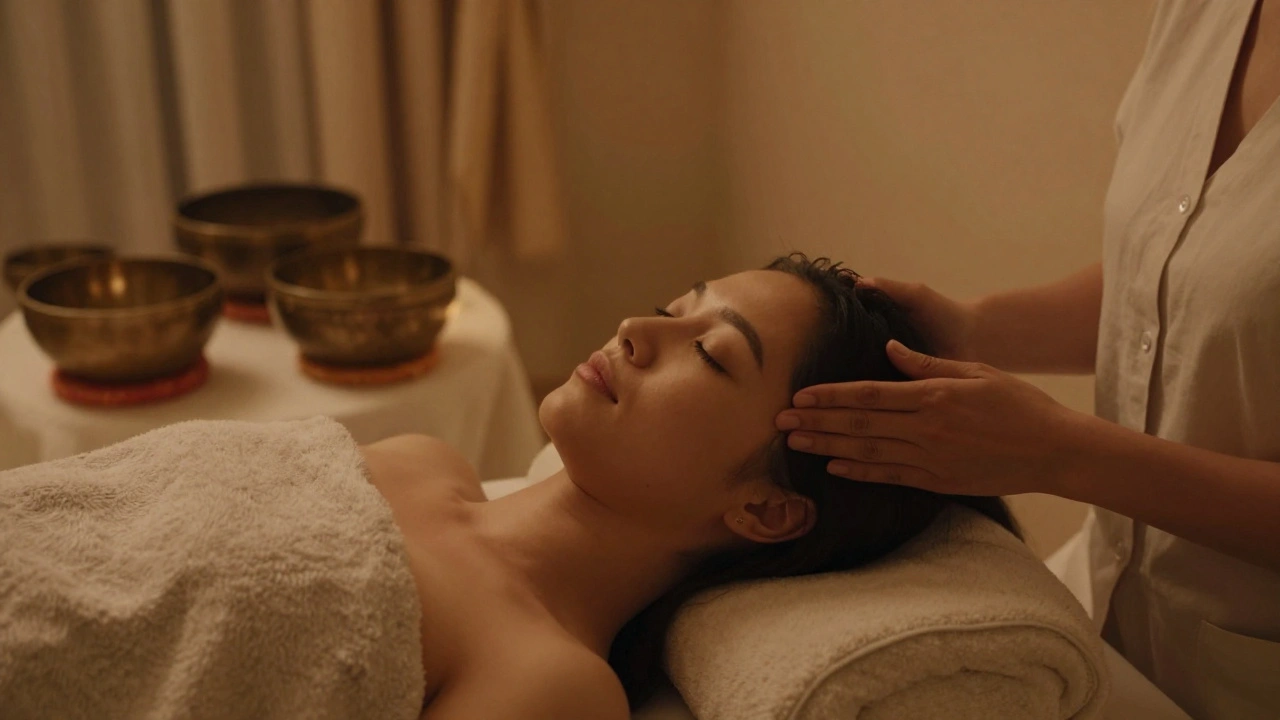
When you think of relaxation in London, you might picture a quiet café, a walk through Hyde Park, or a spa day. But one of the most quietly powerful wellness practices in the city is Indian head massage. More than just a scalp rub, it’s a centuries-old technique that’s become a staple in London’s wellness scene - and for good reason.
Indian head massage, or Champissage, comes from the ancient Ayurvedic tradition of India, where it’s been practiced for over a thousand years. In rural villages, mothers would gently massage their children’s heads to soothe them, promote sleep, and strengthen hair. Over time, it evolved into a full therapeutic ritual, often performed after bathing or before prayer. The practice wasn’t just about comfort - it was believed to balance the body’s energy centers, or chakras, especially the crown and third eye. When British colonists encountered it in the 19th century, they brought the practice home. Today, it’s been refined into a structured therapy, blending traditional techniques with modern spa settings - especially here in London, where wellness culture thrives.
Indian head massage isn’t just about fingers moving over your scalp. It’s a full sequence: gentle kneading of the scalp, circular motions around the forehead, slow stretches along the neck and shoulders, and light pressure on the ears and upper back. The massage typically lasts 20 to 45 minutes and is done while you’re seated, fully clothed. No oils are usually needed - though some therapists use light coconut or almond oil for extra glide. The rhythm is slow, deliberate, and deeply rhythmic, designed to calm the nervous system rather than stimulate it. Unlike Swedish massage, which targets muscles, Indian head massage focuses on energy points, tension zones, and subtle nerve pathways connected to the head and neck.
It’s easy to confuse Indian head massage with other types of head or neck treatments. Here’s how it stacks up:
| Practice | Key Feature | Primary Benefit |
|---|---|---|
| Swedish Head Massage | Uses oils, targets muscles, full-body context | Relieves muscle tension |
| Shiatsu Head Massage | Pressure on meridians, often done through clothing | Energy flow restoration |
| Indian Head Massage | Focus on scalp, neck, shoulders; no oils; seated position | Stress reduction, mental clarity |
Almost everyone. If you sit at a desk all day, you’ve likely got tension building in your neck and shoulders - and that tension pulls up into your scalp. If you struggle with sleep, headaches, or anxiety, this massage helps reset your nervous system. Students, nurses, teachers, new parents, and professionals in high-stress jobs all report feeling calmer after a session. It’s especially popular among people who feel overwhelmed by digital overload - the gentle pressure on the temples and forehead acts like a mental ‘reset button.’ You don’t need to be flexible, fit, or even relaxed to benefit. All you need is a few quiet minutes.
Research suggests that gentle touch on the scalp and neck can lower cortisol levels - the body’s main stress hormone. Indian head massage stimulates the parasympathetic nervous system, which tells your body it’s safe to relax. In London, where long commutes and tight deadlines are the norm, this isn’t just a luxury - it’s a practical tool. People who get regular sessions report fewer tension headaches, less irritability, and an easier time winding down at night. One therapist in Notting Hill told me clients often say, ‘I didn’t realize how much tension I was holding until I felt it release.’
Many Londoners struggle with sleep, especially those working late hours or dealing with screen fatigue. Indian head massage helps by calming the mind before bed. The rhythmic pressure on the forehead and temples mimics the soothing motion of a lullaby - it slows brainwave activity, making it easier to drift off. Clients who combine it with a warm herbal tea and dim lighting often report falling asleep faster and waking up less groggy. It’s not a magic cure, but for many, it’s the missing piece in their sleep routine.
Ever had a foggy brain after hours of Zoom calls? Indian head massage clears that mental fog. The stimulation of nerve endings in the scalp increases blood flow to the brain, which can sharpen focus and improve memory recall. People who use it before important meetings or study sessions say they feel more alert, less scattered. It’s like giving your brain a quick, refreshing shower - without the water.
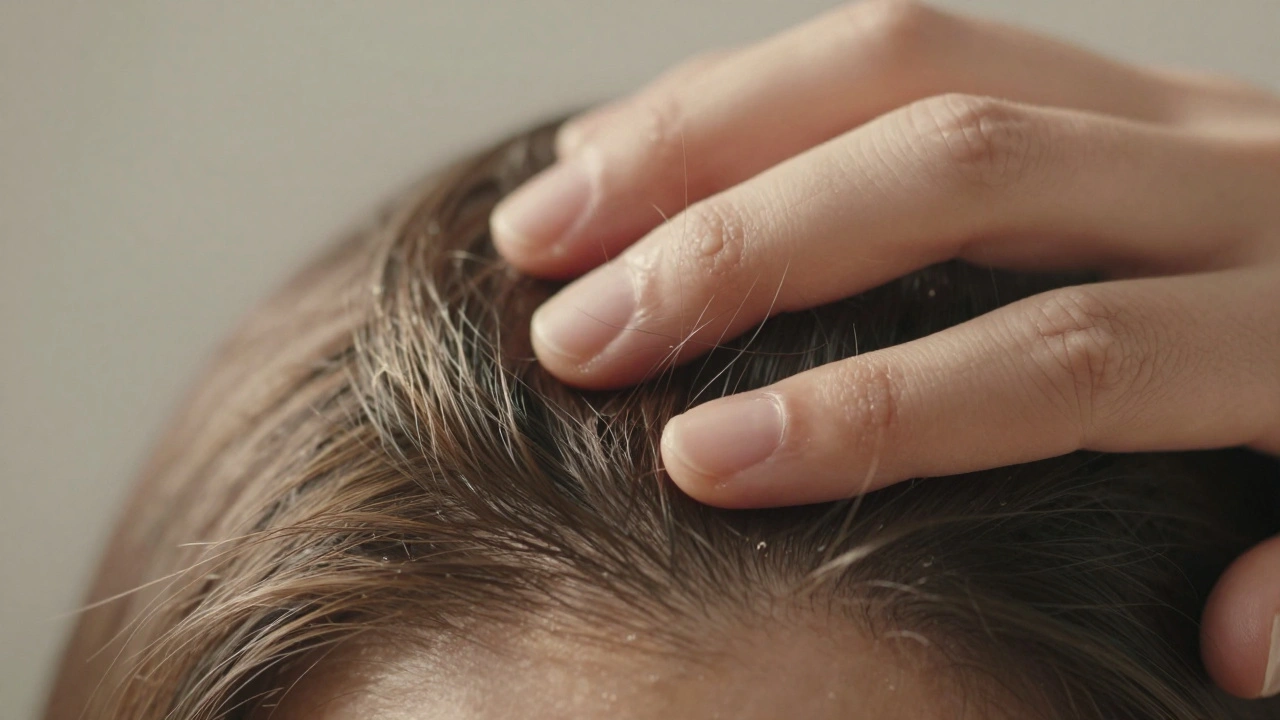
While it’s not a miracle cure for hair loss, the massage does improve circulation to the scalp, which helps deliver nutrients to hair follicles. Regular sessions can reduce flakiness, ease dryness, and even soften brittle hair. Many people notice their hair feels shinier and more manageable after a few treatments. It’s not about growing more hair - it’s about making what you have feel healthier.
In London, you’ll find Indian head massage in quiet studios, holistic spas, and even some yoga centers. The room is usually dimly lit, with soft music playing - think Tibetan singing bowls or gentle sitar tunes. You’ll sit in a comfortable chair, often with a cushioned neck rest. There’s no need to undress - you’ll stay fully clothed, which makes it easy to fit into a lunch break or after-work wind-down. Some places offer it as a 20-minute add-on to other treatments, but the full experience is best done on its own.
A typical session follows a clear flow: First, the therapist gently warms the scalp with slow circular motions using their fingertips. Then they move to the forehead, applying light pressure along the brow line to ease tension. Next comes the neck and shoulders - slow, deep kneading to release stiffness. Finally, they work around the ears and upper back, often ending with a light stroke down the spine. The whole thing feels like a slow, soothing wave - not a quick fix, but a gradual release.
Every therapist tailors the session. If you’re dealing with migraines, they’ll avoid the temples. If your shoulders are tight, they’ll spend more time there. Some offer aromatherapy with lavender or rosemary oil, though it’s optional. You can ask for more pressure or lighter touch - there’s no ‘right’ way, only what feels right for you. It’s not a one-size-fits-all massage.
Before the session, mention any neck injuries, recent surgeries, or skin conditions. If you’re pregnant, let them know - most therapists are trained to adapt. Arrive 5 minutes early to settle in. No need to shower beforehand - this isn’t a spa treatment that requires oils or water. Just come as you are.
If you want to try it at home, find a quiet corner. A comfy chair, a soft blanket, and 10 minutes of quiet time are all you need. Dim the lights, put on calming music, and turn off your phone. Even a short session can reset your mood.
You don’t need fancy tools. Just clean hands and a little oil (coconut or almond work well). Some people use wooden scalp massagers or acupressure combs, but they’re optional. The real magic is in your fingers.
Try it with a partner. It’s a surprisingly intimate way to connect - no words needed. Just take turns. If you’re doing it yourself, don’t rush. Even 5 minutes a day makes a difference. Think of it as a daily reset, not a chore.
You’ll sit comfortably while the therapist works on your head, neck, shoulders, and upper back. It’s not painful - it’s deeply soothing. Many people feel a wave of warmth or tingling as tension melts away. Some fall asleep. Others feel unusually calm, even euphoric. Afterward, you might feel slightly light-headed - that’s normal. Drink water, take a few slow breaths, and let the calm settle in. Most people describe it as a ‘mental detox.’
The session typically lasts 20-45 minutes. The therapist uses their fingers, thumbs, and palms to apply pressure in rhythmic patterns. They’ll focus on the scalp, temples, forehead, neck, and shoulders. No oils are usually used, and you stay fully clothed. The rhythm is slow and steady - not a quick rub, but a full-body reset. You might hear soft music, smell light incense, and feel the warmth of the room. It’s designed to quiet the mind as much as the body.
Swedish massage is full-body, uses oils, and targets large muscle groups with long strokes. Indian head massage is focused, seated, and doesn’t use oils. It’s not about loosening muscles - it’s about calming the nervous system. Swedish massage is great for sore legs or tight back muscles. Indian head massage is perfect for stress, headaches, or mental fatigue. They serve different needs.
The method is based on Ayurvedic principles: stimulating energy points on the head and neck to restore balance. The therapist uses circular motions on the scalp, kneading on the shoulders, and slow pressure along the neck. The sequence is always the same - scalp, forehead, neck, shoulders, upper back. It’s not random. Each movement has a purpose, and the rhythm is key. It’s not about strength - it’s about sensitivity.
In London, look for therapists certified by the British Association of Ayurveda or the Complementary Medical Association. Many spas list their qualifications online. Don’t be afraid to ask about training. A good practitioner will explain what they’re doing and check in with you throughout.
Hygiene matters. Make sure the therapist washes their hands and uses clean towels. If they’re using oils, they should be fresh and unscented if you have sensitive skin. Consent is non-negotiable - you can stop at any time. If something feels off, speak up.
| Practice | Purpose | Example |
|---|---|---|
| Wash hands before | Prevent infection | Therapist uses soap and water |
| Ask about allergies | Avoid reactions | Check for nut oil sensitivity |
| Stop if pain occurs | Prevent injury | Adjust pressure immediately |
You’re in control. If you don’t like pressure on your temples, say so. If you’d rather skip the neck, that’s fine. This isn’t a ‘one size fits all’ treatment. Your comfort comes first.
Avoid Indian head massage if you have: recent head or neck injuries, severe osteoporosis, open wounds on the scalp, or uncontrolled high blood pressure. If you’re pregnant, get approval from your doctor. Always consult a professional if you have chronic conditions.
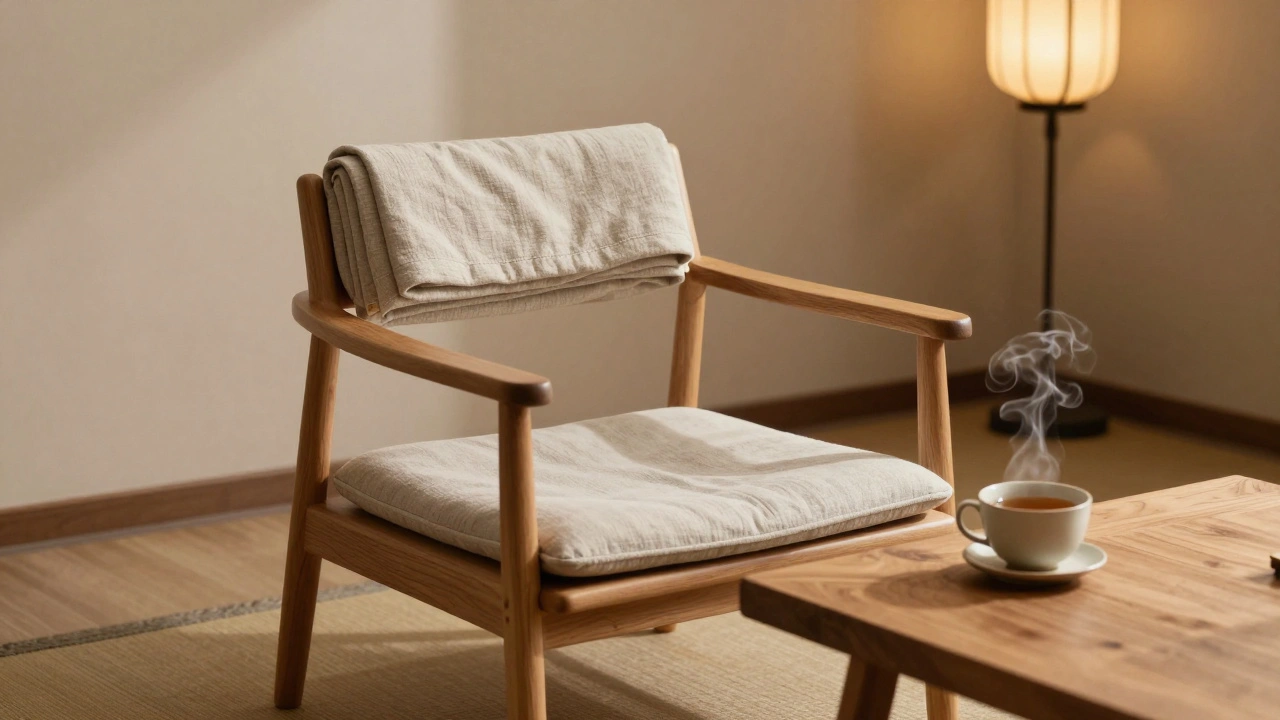
Pair it with deep breathing, mindfulness, or a warm herbal tea. After a session, sit quietly for 5 minutes - don’t jump into your next meeting. Some people like to journal afterward. It helps anchor the calm.
It’s great alone - but even better with someone you trust. Try giving each other head massages on Sunday evenings. It’s a quiet way to bond. No words needed.
A silk pillowcase reduces friction on your hair. A warm compress on your neck before the massage can help loosen tension. But honestly? Your hands are the best tool.
Like yoga or meditation, the real power comes with consistency. Once a week is ideal. Even once every two weeks makes a difference. Don’t wait until you’re overwhelmed - make it part of your rhythm.
Check reviews on Google or Trustpilot. Look for therapists who mention Ayurvedic training or Champissage certification. London has dozens of reputable studios - from Bayswater to Peckham. Ask for recommendations from your yoga studio or naturopath.
The Ayurveda Association UK offers free guides on their site. YouTube has short tutorials from certified therapists. Reddit’s r/IndianHeadMassage has a small but active community sharing tips and experiences.
In the UK, Indian head massage is regulated as a complementary therapy. Practitioners must hold insurance and follow hygiene standards. There’s no cultural appropriation here - it’s widely embraced as a wellness tool, not a costume. Respect its roots, but feel free to enjoy it.
Books like The Ayurveda Encyclopedia by Swami Sadashiva Tirtha and Champissage: The Art of Indian Head Massage by Navneet Kaur offer deeper insight. Workshops are offered at holistic centers in Camden and Islington.
In a city that never stops, Indian head massage offers something rare: stillness. It doesn’t promise miracles. But it does give you back a few moments of peace - a quiet pause between the noise. It’s not expensive, not time-consuming, and deeply effective.
Give it a try. Book a 20-minute session. Sit still. Let your shoulders drop. You might be surprised how much tension you’ve been carrying.
Tried Indian head massage? Share your experience in the comments. Follow this blog for more simple wellness tips that actually work.
Some links may be affiliate links, but all recommendations are based on research and quality.
Word count: 1,687