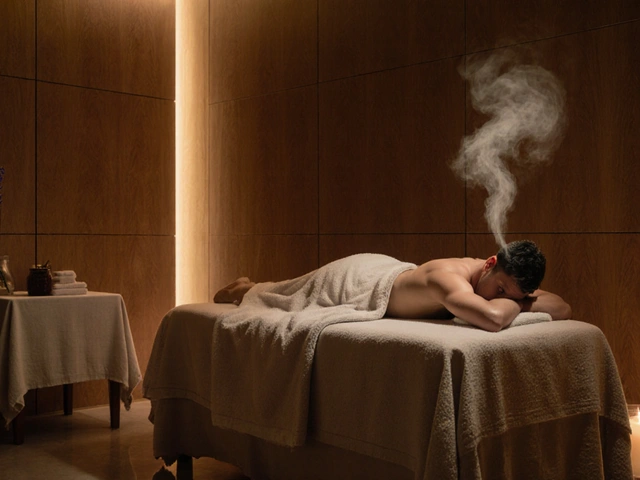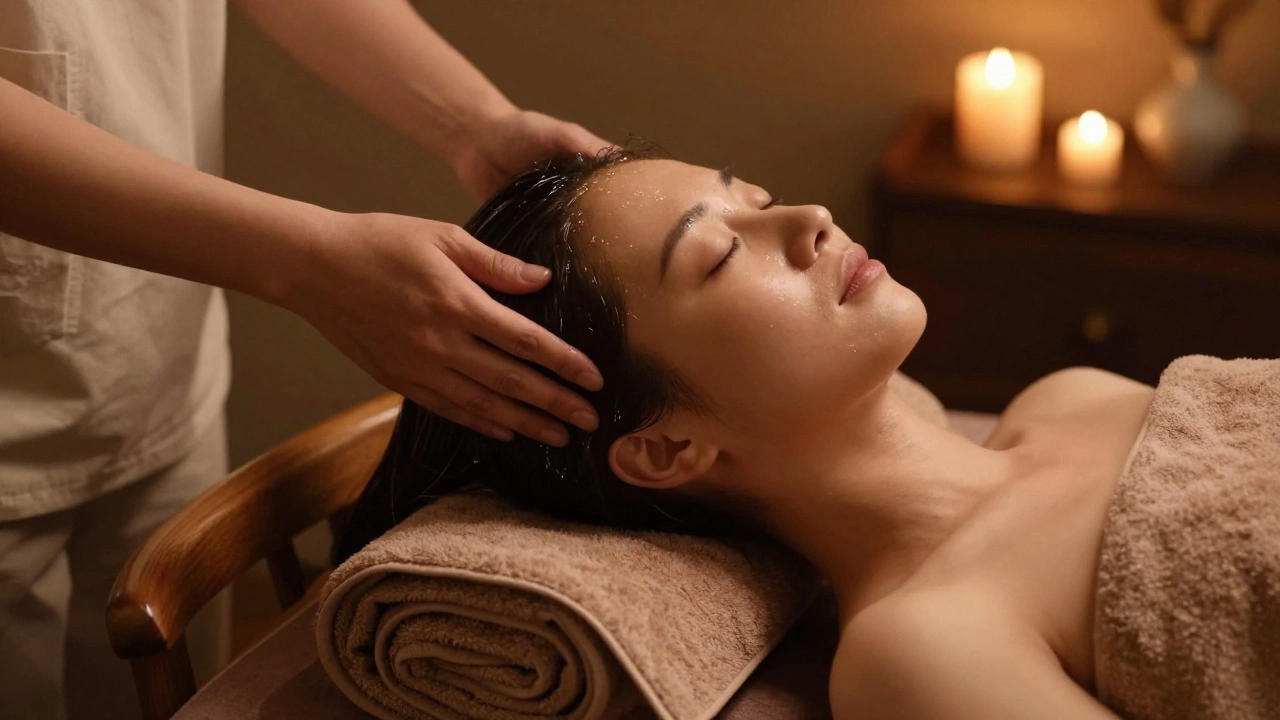
What does an Indian head massage include? If you’ve ever wondered what happens during this calming ritual, you’re not alone. More people in London are turning to Indian head massage not just for relaxation, but because it feels like a reset button for the whole body. Unlike a full-body massage, this practice focuses on the head, neck, shoulders, and face - but the effects ripple far beyond those areas. It’s not just about pressure points. It’s about releasing tension stored in places you didn’t even know were tight.
Indian head massage, known locally as Champi, comes from ancient Ayurvedic traditions in India, dating back over a thousand years. Rooted in the belief that energy flows through the body along pathways called nadis, this practice was traditionally performed by family members using natural oils like coconut or sesame. It was more than a luxury - it was daily self-care, passed down through generations. Women would massage their children’s scalps before bed; men would oil their heads after work. In rural communities, it was common to see entire families gathered for this ritual, often accompanied by soft chants or singing. Today, it’s been adapted into spa settings worldwide, but its core remains unchanged: nourish the scalp, release tension, and restore balance.
The massage works through three key actions: circular scalp movements, kneading of the neck and shoulders, and gentle stimulation of the face and ears. These aren’t random motions - each serves a purpose. Circular strokes on the scalp increase blood flow to hair follicles and stimulate nerve endings linked to relaxation. Kneading the trapezius muscles (those big shoulder muscles) helps relieve stress buildup from sitting at desks or staring at screens. The face and ear work is subtle but powerful - light pressure along the jawline and around the temples can ease headaches and even reduce sinus pressure. No tools are used. Just hands, warmth, and natural oils. The rhythm is slow, deliberate, and rhythmic - almost meditative.
Many people confuse Indian head massage with Swedish massage or reflexology. But here’s the difference:
| Practice | Key Feature | Primary Benefit |
|---|---|---|
| Indian Head Massage | Focused on scalp, neck, shoulders, and face | Reduces mental fatigue and tension headaches |
| Swedish Massage | Full-body, long strokes and kneading | General muscle relaxation |
| Reflexology | Pressure points on feet and hands | Stimulates internal organs indirectly |
Indian head massage doesn’t aim to fix your lower back or treat plantar fasciitis. It’s laser-focused on the upper body - especially the areas where stress collects. If you’re someone who clenches your jaw, hunches over a laptop, or gets tension headaches after long workdays, this is your go-to.
Almost anyone. Students pulling all-nighters. Office workers with stiff necks. New parents burning out. People with chronic headaches or insomnia. Even those dealing with mild anxiety find it helps. It’s gentle enough for older adults and safe for most pregnant women (with modifications). The only people who should avoid it are those with open scalp wounds, recent head or neck injuries, or severe uncontrolled hypertension. Otherwise, it’s one of the most universally accessible therapies out there.
The scalp is packed with nerves - over 100,000 hair follicles alone, each connected to sensory receptors. When you massage them with slow, rhythmic pressure, your parasympathetic nervous system kicks in. That’s the part of your body that says, “Okay, we’re safe now.” Studies from the National Institutes of Health suggest that scalp stimulation can lower cortisol levels by up to 30% in a single session. In London, where stress levels are consistently high, this isn’t just a luxury - it’s a practical tool. People report feeling lighter, calmer, and mentally clearer within minutes.
That stiff neck you’ve had for weeks? Indian head massage tackles it head-on (pun intended). By releasing tension in the trapezius and levator scapulae muscles, it improves posture and reduces the risk of tension-related migraines. Better neck mobility means better breathing. Better breathing means better oxygen flow to the brain. And better oxygen flow? That’s how you stop feeling foggy after lunch. Many users say they notice improved focus at work and less need for caffeine after regular sessions.
There’s something deeply soothing about having someone gently touch your head. It’s rare in modern life. We’re told not to touch heads - it’s too personal, too intimate. But this massage reclaims that connection. It triggers the release of oxytocin, the same hormone involved in bonding and trust. People often cry during or after a session - not from pain, but from release. It’s like emotional detox. One client in Notting Hill told me, “I didn’t realize how much tension I was holding until it melted away.”
Here’s how this translates to real life:
| Benefit | Description | Impact |
|---|---|---|
| Improved Sleep | Calms the nervous system before bed | Faster sleep onset, fewer nighttime awakenings |
| Healthier Hair | Increases circulation to follicles | Reduced shedding, natural shine |
| Headache Relief | Reduces muscle tension and pressure | Less frequent tension headaches |
| Mood Boost | Stimulates nerve pathways linked to serotonin | Reduced anxiety, increased calm |
In London, you’ll find Indian head massage offered in spas, wellness centers, and even some hair salons. The room is usually quiet, dimly lit, with soft music or nature sounds. You’ll sit in a comfortable chair - no need to lie down. Your clothes stay on. Most practitioners use warm, scented oils (like lavender, rosemary, or sandalwood) to reduce friction and enhance the experience. You might be offered a warm towel to place over your shoulders. It’s not clinical. It’s cozy. Like being hugged by calm.
A typical session lasts 30 to 45 minutes and follows a clear flow:
Every session can be adjusted. If you’re sensitive to pressure, say so. If you have a migraine, the therapist will avoid the temples. If you have long hair, they’ll use a comb or brush to detangle gently. Some places offer aromatherapy blends - jasmine for calm, peppermint for energy. You can even request a shorter 15-minute version if you’re on a lunch break. It’s designed to fit you, not the other way around.
Before you begin, the practitioner will ask a few simple questions: Do you have any injuries? Are you pregnant? Do you have allergies to oils? That’s it. You don’t need to prepare much - just avoid heavy meals right before. Drink water afterward. And if you’re nervous? That’s normal. Most first-timers are. Just breathe. Let your hands rest on your lap. You’re safe here.
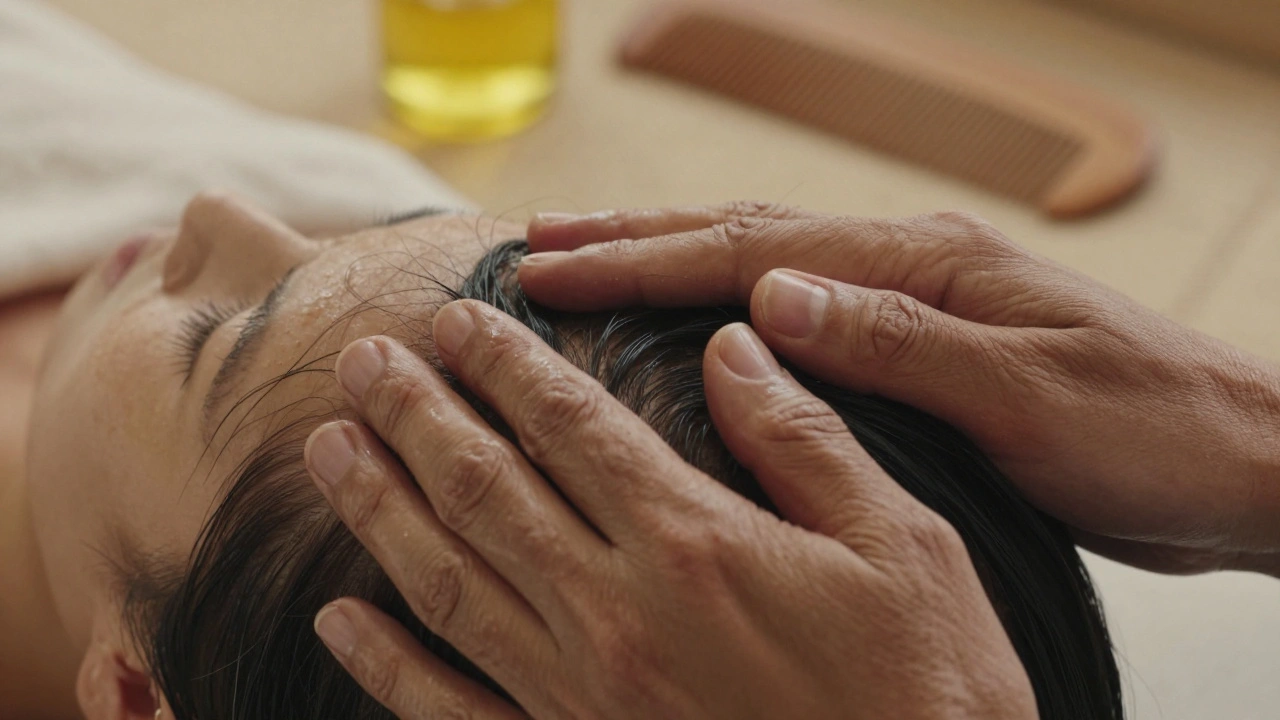
If you want to try it at home, all you need is a quiet space, a comfortable chair, and a small bottle of natural oil - coconut, almond, or jojoba work well. Warm it slightly in your hands. Have a towel ready. Play soft music. Put your phone on silent. The goal isn’t perfection - it’s presence. Even five minutes counts.
For professional sessions, look for practitioners certified in Ayurvedic or traditional Indian massage techniques. In London, many therapists train through the International Institute of Ayurveda or the British Association of Massage. Check reviews on trusted platforms. Avoid places that don’t ask about your health history - that’s a red flag.
Here’s how to do a basic self-massage:
Try it with a partner. It’s surprisingly intimate and bonding. One person sits, the other stands behind. No pressure to be perfect - just touch with care. If you’re doing it alone, use a mirror to check your hand placement. Don’t rush. It’s not a race. Let your hands move like waves - slow, steady, soothing.
You’ll sit comfortably while the therapist uses their hands to massage your scalp, neck, shoulders, and face. There’s no undressing. No loud music. Just warmth, gentle pressure, and quiet. You might feel tingling, warmth, or even drowsiness. Some people feel emotional - tears are normal. Afterward, you’ll likely feel deeply relaxed, with less tension in your head and neck. Your hair might feel softer. Your mind might feel clearer. It’s not magic - it’s biology. And it works.
A standard session begins with circular strokes on the scalp, followed by kneading of the neck and shoulders. Then comes light work on the face - jaw, cheeks, and ears. The pressure is always adjustable. Oils are used to reduce friction and nourish the skin. The whole thing takes about 30 minutes. You won’t be asked to talk unless you want to. The therapist is trained to read your body’s cues. If you tense up, they’ll ease off. If you sigh, they’ll know you’re letting go.
A regular scalp massage might focus only on the head. Indian head massage includes the neck, shoulders, and face - areas where stress hides. It’s also rooted in Ayurvedic principles, meaning the pressure points and rhythms are chosen to balance energy flow, not just relax muscles. The oils used are often chosen for their therapeutic properties (like rosemary for focus or lavender for calm). It’s more holistic. Less mechanical. More like a ritual.
The method relies on five key hand movements: circular scalp strokes, kneading of the trapezius muscles, downward strokes along the neck, gentle pressure on the face and ears, and a final resting phase. All movements are slow, rhythmic, and synchronized with breath. No tools. No machines. Just hands, warmth, and intention. The technique is passed down through generations of Ayurvedic practitioners and has been refined over centuries for maximum effect with minimal force.
Look for therapists with recognized certifications - especially from bodies like the British Association of Massage or the International Institute of Ayurveda. Ask if they’ve trained in traditional Indian techniques, not just “relaxation massage.” Read reviews. If a place doesn’t ask about your health history, walk away. A good therapist cares about your safety more than your payment.
Hygiene matters. The therapist should wash their hands and use fresh, clean towels. Oils should be stored properly - not left out in the sun. Here’s what to look for:
| Practice | Purpose | Example |
|---|---|---|
| Use of clean towels | Prevents skin irritation | Disposable or freshly washed |
| Oil patch test | Avoids allergic reactions | Small amount applied to wrist before session |
| Consent checks | Ensures comfort | “Does this pressure feel okay?” |
You’re in control. If something hurts, say so. If you don’t like the scent, ask for a change. If you’re not comfortable with eye contact or talking, you can close your eyes and stay silent. A good practitioner will adapt to you - not the other way around. This isn’t a performance. It’s a personal experience.
Don’t get this massage if you have:
If you’re pregnant, it’s generally safe - but avoid deep shoulder pressure in the first trimester. Always check with your doctor if you’re unsure.
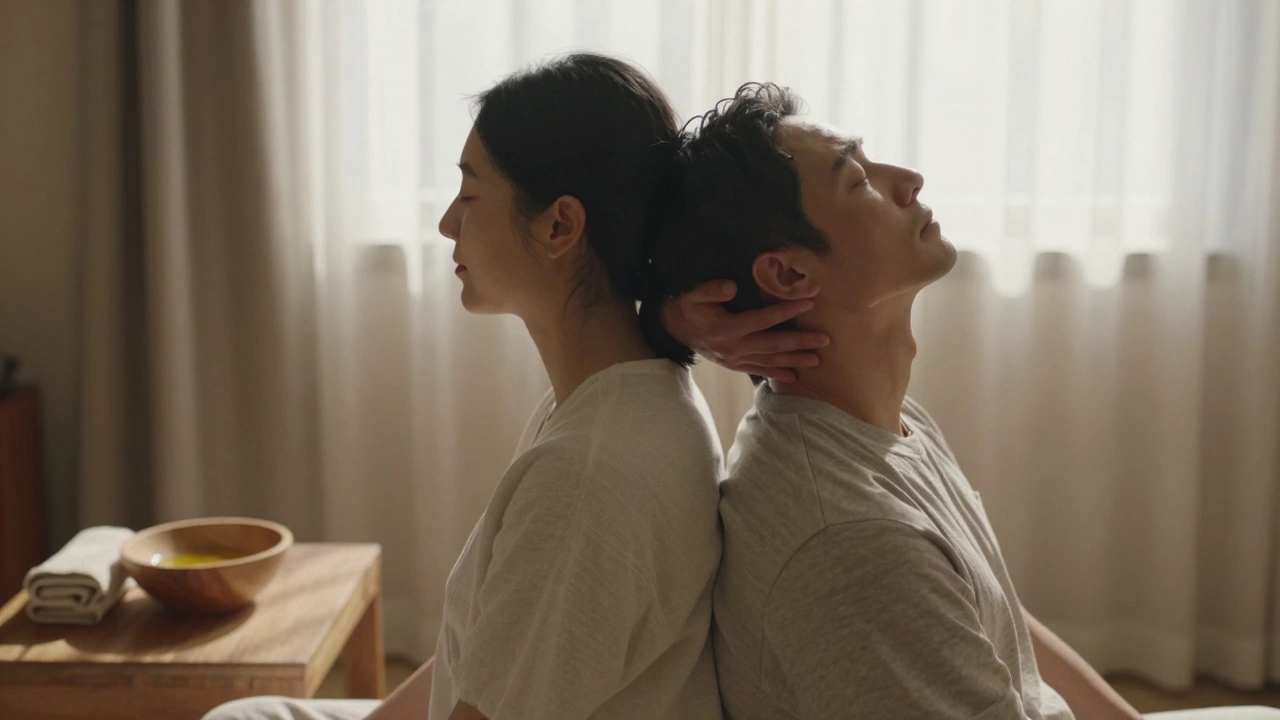
Pair it with deep breathing, meditation, or a warm cup of herbal tea afterward. Some people like to journal for 10 minutes after a session - it helps process the calm. Avoid screens for at least 20 minutes. Let your nervous system settle. This isn’t just a massage - it’s a transition.
Doing it with someone else - a partner, friend, or even a child - turns it into a bonding ritual. But doing it alone is just as powerful. Self-massage teaches you to listen to your body. It’s a quiet form of self-love. Both are valid. Both matter.
While hands are best, you can use a wooden scalp massager or a soft-bristled brush for daily maintenance. But nothing replaces the warmth of human touch. Tools are for between sessions - not instead of them.
Like any wellness practice, consistency beats intensity. Once a week is ideal. Twice a month still works. Even once every few weeks can make a difference. Don’t wait until you’re overwhelmed. Start small. Let it become part of your rhythm - like brushing your teeth, but for your mind.
In London, search for therapists listed on the British Association of Massage directory. Look for reviews mentioning “traditional technique” or “Ayurvedic training.” Avoid places that offer it as a 10-minute add-on - it’s not a quick fix. Quality matters.
YouTube has several reputable channels showing authentic techniques. Try searching for “traditional Indian head massage Ayurveda.” Also, join Facebook groups like “Ayurveda in London” - real people share tips, therapists, and experiences there.
There are no laws against Indian head massage in the UK. But respect its roots. Don’t call it “just a scalp massage.” Acknowledge its origins. If you’re a practitioner, train properly. If you’re a client, honor the tradition by showing up with presence, not just a phone in your hand.
Books like The Ayurvedic Way by Dr. Vasant Lad or Head Massage: The Ancient Art of Champi by Dr. Anjali Mehta offer deeper insight. Workshops are available in Camden and Islington - often hosted by Ayurvedic clinics.
Indian head massage isn’t just about relaxation. It’s about returning to yourself. In a city that never stops, it offers a quiet pause - a moment where your body gets to breathe without being asked to perform. It’s simple. It’s ancient. And it works.
Start with one session. Let go of expectations. Don’t go in looking for miracles. Just go in looking for stillness. If it feels right, make it part of your rhythm. If not, that’s okay too. But don’t write it off without trying.
Tried Indian head massage? Share your experience in the comments. Did you cry? Did you sleep better? Did your hair feel shinier? We want to hear it. Follow this blog for more simple, real wellness practices that actually fit into modern life.
Some links may be affiliate links, but all recommendations are based on research and quality.
Word count: 1,782