When you think about glowing skin, you probably imagine fancy serums, expensive facials, or late-night skincare routines. But what if the secret isn’t just what you put on your face-but what’s happening under it? That’s where lymphatic drainage massage comes in. It’s not a new-age fad. It’s a gentle, science-backed technique that helps your body’s natural cleanup crew move fluid and waste out of your tissues. And for your skin? It can make a real difference.
Unlike deep tissue or sports massage, lymphatic drainage is light, slow, and rhythmic. It doesn’t squeeze or pull. It invites. Think of it like a quiet river guiding debris downstream-except here, the debris is excess fluid, toxins, and inflammation that can make your skin look puffy, dull, or breakout-prone. This isn’t about quick fixes. It’s about supporting your body’s own healing rhythm.
Lymphatic drainage massage traces its roots back to the 1930s in Europe, developed by Danish therapists Emil and Estrid Vodder. They noticed that patients with chronic sinus issues often had swollen lymph nodes. Instead of pushing hard, they used feather-light strokes-and saw improvement. Their method, now called Manual Lymphatic Drainage (MLD), became a cornerstone in physical therapy and later, aesthetics.
It wasn’t until the 1980s that skincare professionals in France and Germany began adapting it for facial treatments. Today, it’s used in hospitals for post-surgical swelling and in spas for radiant skin. The technique didn’t become popular overnight-it earned its place because it works with the body, not against it.
The lymphatic system is your body’s plumbing for waste removal. Unlike blood, which the heart pumps, lymph moves slowly-driven by muscle movement, breathing, and gentle pressure. Lymphatic drainage massage mimics this natural flow using specific hand movements: circular, pumping, and stretching motions applied with barely any pressure-about the weight of a nickel.
It targets key lymph node clusters: behind the ears, under the jaw, along the collarbone, and in the neck. These are the main drains for facial and head fluids. When they’re sluggish, fluid pools, causing puffiness, especially around the eyes and chin. The massage doesn’t force anything. It simply guides the fluid toward these nodes so your body can filter and eliminate it.
Many people confuse lymphatic drainage with other types of massage. Here’s how it stacks up:
| Practice | Key Feature | Primary Benefit |
|---|---|---|
| Lymphatic Drainage Massage | Extremely light pressure, directional strokes | Reduces fluid buildup, improves skin clarity |
| Deep Tissue Massage | Strong pressure, focused on muscle knots | Relieves muscle tension, soreness |
| Facial Cupping | Suction-based, lifts skin | Temporary plumping, boosts circulation |
| Traditional Facial Massage | Varies in pressure, often includes kneading | Relaxes facial muscles, improves product absorption |
Lymphatic drainage isn’t about relaxation alone-it’s about drainage. It doesn’t break down fat or tighten skin. It clears the path so your skin can look its best naturally.
Almost anyone with skin concerns related to fluid retention or inflammation can benefit. That includes:
It’s also safe for sensitive skin and doesn’t irritate rosacea or eczema when done gently. Pregnant individuals can use it too-under guidance-to reduce swelling. The only real requirement? Your lymphatic system needs to be functioning. If you’ve had lymph nodes removed or have active infections, talk to a doctor first.
That morning puffiness? It’s not just from crying or drinking too much wine. It’s fluid sitting in your facial tissues overnight because your lymphatic system didn’t get a chance to clear it. Lymphatic drainage massage moves that fluid out-often within one session.
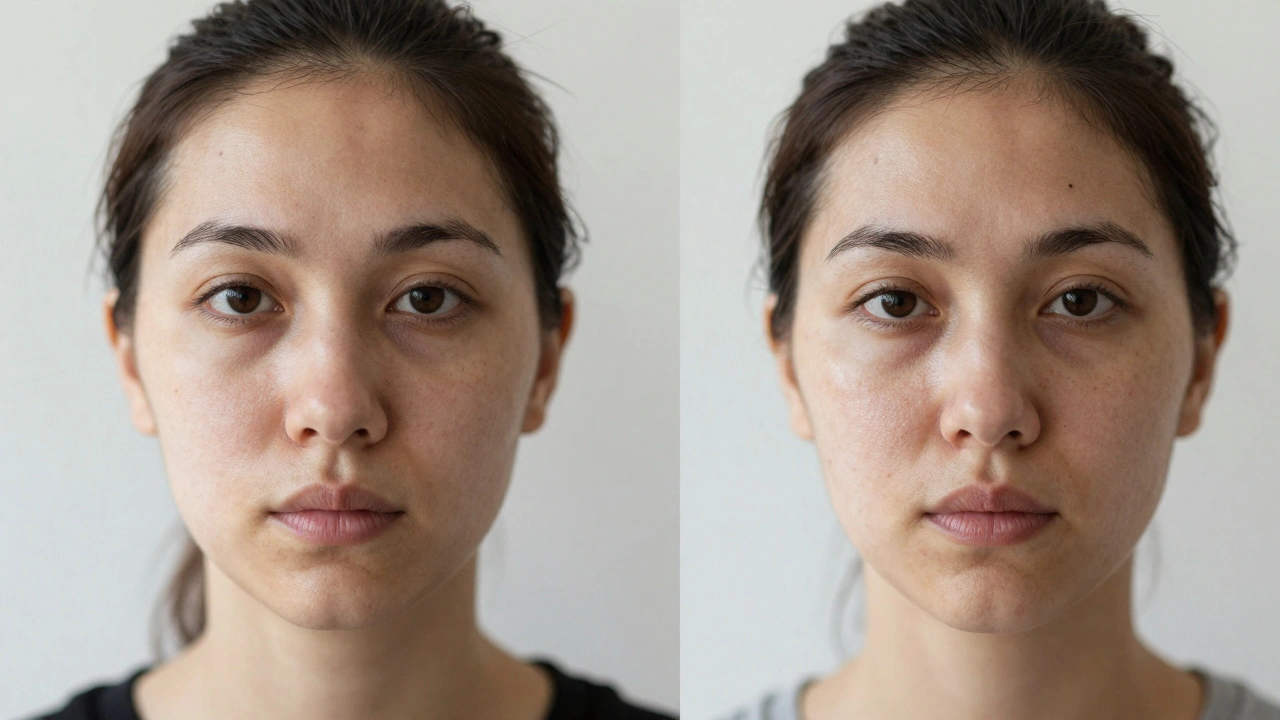
Many clients report looking 20% less swollen after just one treatment. The effect is subtle but noticeable: sharper jawlines, less under-eye bags, and a more defined profile. It’s not a filler. It’s your body finally doing what it’s meant to do: drain.
When waste and toxins linger in your skin, it can look gray, dull, or uneven. Lymphatic drainage helps flush out metabolic byproducts and excess proteins that clog pores and slow cell turnover. Over time, this leads to smoother texture and a more even tone.
People with acne-prone skin often see fewer breakouts-not because the massage kills bacteria, but because it reduces inflammation and helps the skin heal faster. It’s like cleaning out a clogged sink instead of just pouring bleach down it.
Have you ever applied a pricey serum, only to feel like it just sits there? That’s because your skin’s surface is congested. Lymphatic drainage clears the path. Once fluid buildup decreases, your skin’s barrier becomes more receptive.
Studies suggest that after lymphatic massage, topical ingredients penetrate up to 30% deeper. That means your vitamin C, hyaluronic acid, and retinoids actually work better. You’re not wasting money-you’re maximizing it.
Chronic stress, poor sleep, and pollution all create low-grade inflammation. This damages collagen and slows repair. Regular lymphatic drainage helps your body manage this stress response by reducing inflammatory markers in the skin.
Over weeks, users report fewer redness flare-ups, less sensitivity, and a more balanced complexion. It’s not a miracle. It’s maintenance. Think of it as brushing your teeth for your lymph system.
| Benefit | Description | Impact |
|---|---|---|
| Reduces puffiness | Drains excess fluid from facial tissues | Sharper contours, less swelling |
| Improves clarity | Removes metabolic waste from skin cells | Brighter, more even tone |
| Boosts product efficacy | Clears congestion for better absorption | More effective skincare |
| Reduces inflammation | Supports immune response in skin | Fewer breakouts, less redness |
| Enhances healing | Speeds recovery after procedures | Faster recovery from acne, lasers, or injections |
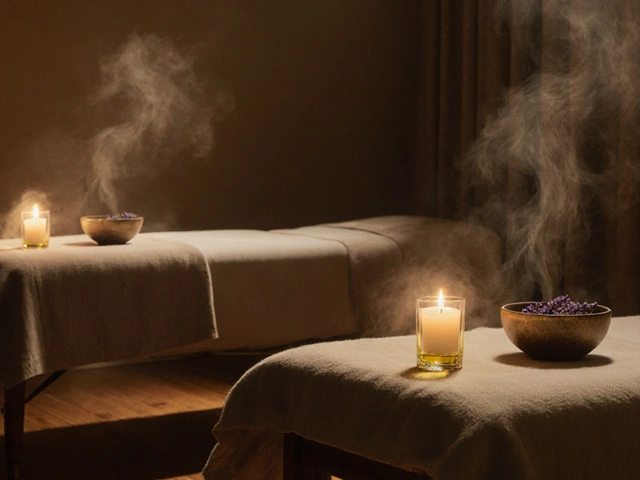
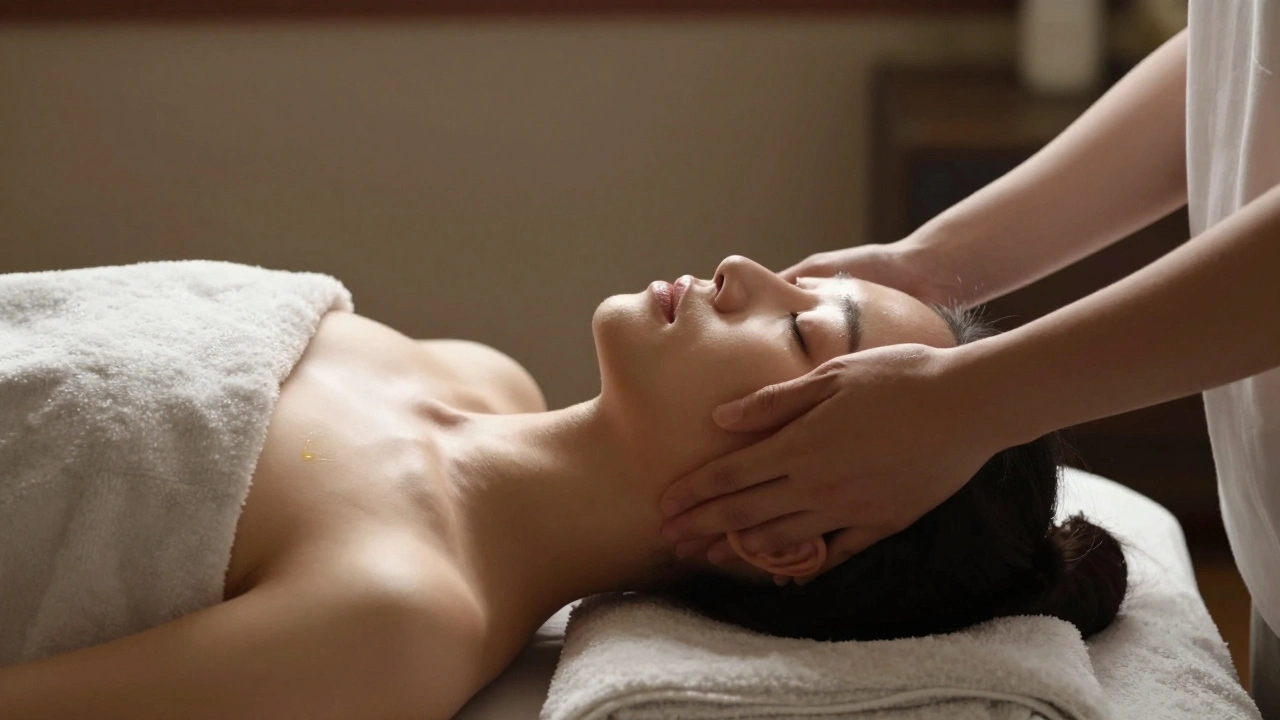
A lymphatic drainage session is calm, quiet, and slow. You’ll lie on a massage table, often with your head slightly elevated. The room is dim, warm, and peaceful. No loud music. No strong scents. The practitioner uses oil or a light gel to reduce friction.
For facial treatments, you’ll usually be on your back, with a towel under your neck. The massage moves from your neck up to your cheeks, then around your forehead and eyes. It’s not ticklish-it’s soothing. Many people fall asleep.
The sequence is always the same: start at the neck, then move upward. Why? Because the lymph flows toward the collarbone and then into the bloodstream. You can’t drain a sink if the drain is blocked.
Here’s the flow:
Each movement takes 3-5 seconds. A full session lasts 30-45 minutes. You won’t break a sweat. You’ll feel lighter, calmer, and strangely refreshed.
Lymphatic drainage is highly adaptable. If you have sensitive skin, the pressure is even lighter. If you’re recovering from surgery, the therapist avoids the surgical area and focuses on nearby nodes. For home use, you can simplify the routine: just 5 minutes a day, starting at the neck, can help.
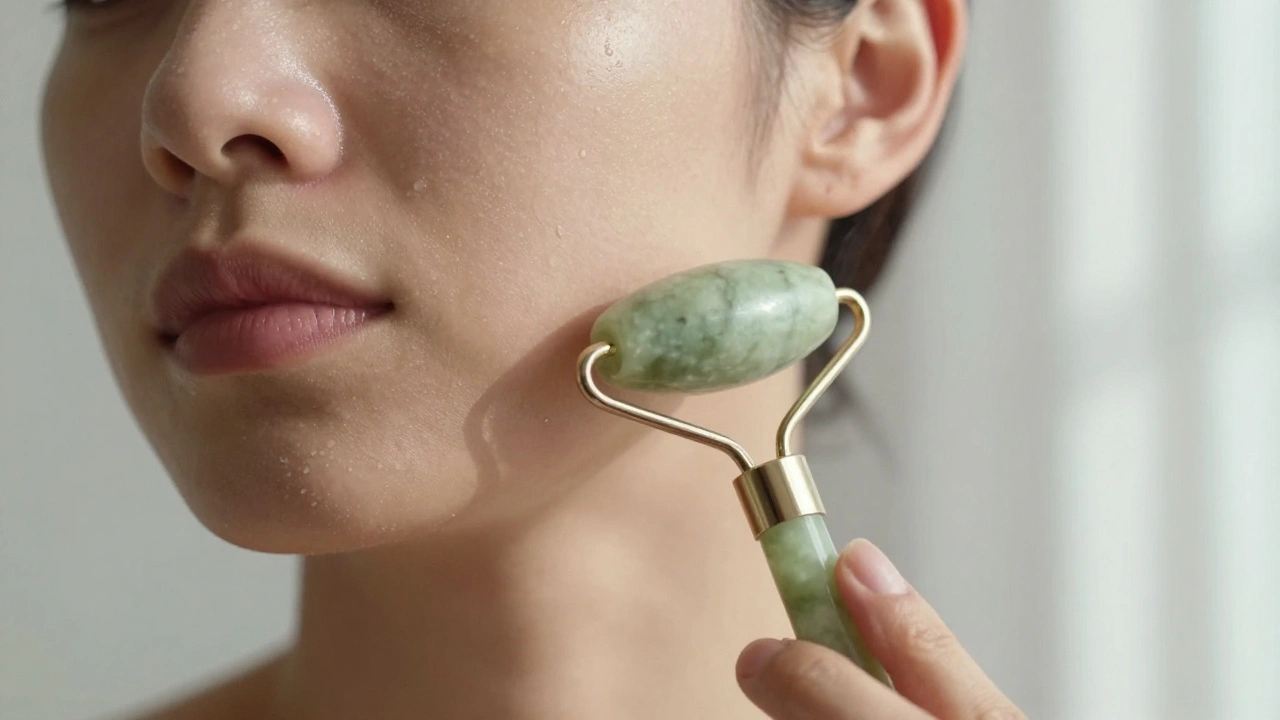
Some practitioners add cold jade rollers or gua sha tools-but only after the lymphatic flow is established. These tools can enhance the effect, but they’re not necessary. The hands are the best tool.
Before your session, avoid heavy meals, alcohol, or caffeine. Drink water afterward-it helps flush the system. Tell your therapist if you’re pregnant, have a history of blood clots, or are on medication. You don’t need to do anything special before the massage-just show up relaxed.
If you’re doing this at home, find a quiet space. Wash your hands. Use a light facial oil-jojoba, rosehip, or squalane work well. Keep your nails short. Lie down with your head slightly raised on a pillow. Keep a glass of water nearby.
Don’t rush. This isn’t a 30-second rub. It’s a mindful ritual. Set a timer for 5-10 minutes. Let it be part of your evening wind-down, like brushing your teeth.
You don’t need gadgets. But if you want to enhance your routine, consider:
Avoid anything that claims to "detox" or "melt fat." Those are marketing buzzwords. Real lymphatic drainage is slow, quiet, and subtle.
Here’s a simple 5-minute routine:
Do this daily for 2 weeks. You’ll start to notice less puffiness, especially in the morning.
Don’t press hard. If it hurts, you’re doing it wrong. Your lymph vessels are right under the skin-they’re delicate. Think of stroking a baby’s cheek. If you’re unsure, watch a video from a certified therapist. And don’t expect overnight miracles. Consistency beats intensity.
You’ll feel calm, not energized. It’s not a workout. After your session, you might feel slightly lightheaded or need to use the bathroom-this is normal. Your body is releasing fluid. You might notice your skin looks clearer within 24 hours. Puffiness reduces. Your jawline may appear sharper. It’s not dramatic, but it’s real. Most people describe it as feeling "lighter" or "cleaner" inside. It’s not a facial-it’s a reset for your body’s internal cleanup system.
During the session, your therapist uses very light, rhythmic strokes-never deep pressure. They follow the path of your lymphatic vessels, starting at your neck and moving upward. The goal is to encourage fluid to flow toward your lymph nodes, which filter waste. You won’t feel any popping, cracking, or intense pressure. It’s more like a slow wave moving across your skin. The entire session is quiet and soothing. Many people fall asleep. There’s no oil mess, no sweat, no discomfort.
Facial cupping uses suction to lift the skin and stimulate blood flow. It’s great for temporary plumping and circulation. But it doesn’t move lymph fluid. Lymphatic drainage, on the other hand, is directional and specifically targets fluid buildup. Cupping can leave temporary marks. Lymphatic massage leaves no marks. Cupping is about surface tension. Lymphatic drainage is about internal drainage. They can be used together-but only if lymphatic flow is established first.
The method is based on four hand movements: stationary circles, pump strokes, scooping motions, and rotary movements. Each is done with minimal pressure-about 5 grams, or the weight of a coin. The rhythm is slow: one stroke per 3-5 seconds. The direction always moves toward lymph nodes: from face to neck, from neck to collarbone. It’s not random. It follows the anatomy. That’s why it works. You can’t guess your way to results-you need to follow the flow.
Not everyone who calls themselves a "lymphatic therapist" is trained. Look for certifications from the Vodder School, Dr. Vodder International, or the Lymphology Association of North America. Ask about their training. A certified therapist will know where not to press-especially if you’ve had surgery or cancer treatment.
| Practice | Purpose | Example |
|---|---|---|
| Use clean hands and tools | Prevent infection | Wash hands before and after |
| Don’t massage swollen or infected areas | Avoid spreading infection | Wait until acne or rash clears |
| Stay hydrated | Help flush toxins | Drink water after session |
| Listen to your body | Prevent overstimulation | Stop if you feel dizzy or nauseous |
Even gentle massage requires consent. If you’re uncomfortable with someone touching your face, say so. You can request a female practitioner, ask for a towel to cover your chest, or ask them to skip certain areas. Your comfort matters as much as the results.
Don’t do lymphatic drainage if you have:
If you’re unsure, talk to your doctor. It’s not dangerous when done right-but it’s not risk-free either.
Pair it with:
These don’t replace massage-they support it.
You can do this alone. In fact, most people do. But if you’re with a partner, you can gently massage each other’s necks or shoulders. Just keep it light. It’s a quiet, bonding ritual-not a performance.
A cold jade roller can help after your massage. Roll gently upward from the jaw to the ear. Don’t use it as a substitute. It’s a bonus, not a replacement. Avoid vibrating tools unless they’re low-intensity and approved by a therapist.
Once a week is ideal for maintenance. If you’re recovering from surgery or dealing with chronic puffiness, try 2-3 times a week for 2 weeks, then reduce. Consistency is key. One session won’t transform your skin. But 12 sessions over 3 months? That’s when people notice real change.
Look for therapists with certifications from the Vodder School or the Lymphology Association. Check reviews for phrases like "gentle," "knowledgeable," and "no pressure." Avoid places that promise "detox" or "fat loss." Those are red flags.
YouTube has excellent tutorials from certified therapists. Search for "manual lymphatic drainage face" and look for videos from licensed physiotherapists. Reddit’s r/Lymphedema and r/SkincareAddiction have thoughtful discussions. Avoid influencers selling miracle gadgets.
In the UK, lymphatic drainage is regulated under massage therapy standards. Practitioners must be insured and trained. There’s no national licensing, so certification matters. In spas, ask to see their credentials. You have the right to know who’s touching your skin.
Books like The Lymphatic System: A Guide for Practitioners by Dr. Bruno Chikly offer deep insight. Online courses from the Vodder School are available for non-professionals. Don’t skip the basics. Understanding anatomy helps you get better results.
Lymphatic drainage massage isn’t magic. It’s biology. It’s your body’s way of keeping things clean, and you’re just helping it along. If you’re tired of masking skin issues with products, this is a way to work with your body-not against it.
Start small. Try a 5-minute routine at home. Notice how your skin feels in the morning. If you like it, book a session with a certified therapist. Don’t rush. Don’t overdo it. Let your skin thank you slowly.
Tried lymphatic drainage massage? Share your experience in the comments. Did your puffiness disappear? Did your skincare finally start working? Your story might help someone else find clarity.
Follow this blog for more simple, science-backed wellness tips-no hype, no gimmicks.
Some links may be affiliate links, but all recommendations are based on research and quality.
Word count: 1,728