When you’re searching for massage therapy in London, you’re not just looking for a relaxing hour-you’re looking for relief, restoration, or maybe just a moment where the city’s pace slows down enough for your body to remember how to breathe. Whether you’re dealing with chronic back pain from long commutes, stress from a high-pressure job, or simply need to reset after a busy week, professional massage therapy offers more than just muscle relief. It’s a reset button for your nervous system, your mood, and your overall sense of well-being.
Massage therapy isn’t some new-age trend invented in a Soho spa. Its roots go back thousands of years-to ancient Egypt, China, India, and Greece. The word "massage" itself comes from the Arabic "massa," meaning "to touch" or "to knead." In the 19th century, Swedish physician Per Henrik Ling developed what we now call Swedish massage, combining strokes like effleurage, petrissage, and tapotement to promote circulation and relaxation. Today, London’s massage scene blends these classical techniques with modern therapeutic approaches, from deep tissue work for athletes to prenatal care for expecting mothers. The city’s long-standing reputation as a global hub means you’ll find everything from traditional Thai massage in Camden to holistic treatments in Chelsea, all grounded in evidence-based practice.
At its heart, massage therapy in London is built on three pillars: touch, pressure, and intention. Touch activates the parasympathetic nervous system, signaling your body to shift out of "fight or flight" mode. Pressure is applied with purpose-light for relaxation, firm for releasing knots or scar tissue. And intention? That’s what separates a good massage from a great one. A skilled therapist doesn’t just move hands over skin; they listen to your body’s cues, adjust pressure based on feedback, and tailor the session to your unique needs. Techniques vary: Swedish for relaxation, deep tissue for chronic tension, sports massage for injury recovery, and trigger point therapy for localized pain. Most clinics in London offer a blend, letting you choose what suits your goal that day.
People often confuse massage therapy with spa treatments or reflexology. Here’s how they stack up:
| Practice | Key Feature | Primary Benefit |
|---|---|---|
| Massage Therapy | Structured, hands-on manipulation of soft tissue | Pain relief, improved mobility, stress reduction |
| Spa Massage | Focus on ambiance, aromas, and relaxation | Temporary calm, sensory indulgence |
| Reflexology | Pressure applied to feet/hands only | General well-being, not targeted pain relief |
| Chiropractic Adjustment | Bone and joint manipulation | Spinal alignment, nerve function |
Massage therapy works on muscles, tendons, and fascia-not bones or energy meridians. It’s not a substitute for medical care, but it’s a powerful complement.
Almost everyone. Office workers with hunched shoulders, runners with tight hamstrings, new parents with neck strain, even people recovering from surgery or dealing with anxiety-all can benefit. London’s diverse population means therapists are trained to work with a wide range of needs. Pregnant women can get specialized prenatal massage. Elderly clients can receive gentle, joint-friendly sessions. Athletes train with sports massage therapists who understand biomechanics. And if you’re just feeling overwhelmed? A 60-minute Swedish massage can lower cortisol levels by up to 30%, according to research from the University of Miami’s Touch Research Institute Web source (https://www.med.miami.edu). You don’t need a diagnosis to benefit-you just need to be willing to lie down and let someone else take care of you for an hour.
London’s rhythm can be relentless. The Tube, the meetings, the endless notifications-it all piles up. Massage therapy interrupts that cycle. By stimulating the vagus nerve and reducing cortisol, it shifts your body from stress mode to rest-and-digest mode. Many clients report feeling calmer within minutes of the first stroke. This isn’t just anecdotal: studies show regular massage therapy can improve sleep quality and reduce symptoms of anxiety and depression. Think of it as a weekly tune-up for your nervous system.
Tight muscles don’t just hurt-they limit movement. A stiff neck makes turning your head hard. Tight hip flexors make walking uncomfortable. Massage therapy breaks up adhesions and restores flexibility. Whether you’re a dancer, a cyclist, or someone who just wants to bend down to tie their shoes without groaning, massage helps. Therapists often combine massage with gentle stretching to improve range of motion. Clients who commit to regular sessions often notice they can sit longer at their desk, walk farther without pain, or even sleep better on their side.
There’s something deeply human about being touched with care. In a world where digital interaction dominates, a skilled massage therapist offers presence-no phone, no distractions, just focused attention. Many clients cry during sessions, not from pain, but from release. Emotional tension gets stored in the body, especially in the shoulders, jaw, and lower back. Massage helps unlock it. People often say they feel lighter afterward-not just physically, but emotionally. It’s not therapy, but it can feel like a form of emotional cleansing.
The benefits aren’t just felt in the moment-they carry into daily life. Better sleep means more energy. Less pain means fewer sick days. Improved posture means less strain on your spine. A 2023 survey of London massage clients found that 78% reported improved work productivity after starting regular sessions. Others noticed they were less reactive in arguments, more patient with their kids, or simply more present in conversations. Massage therapy isn’t a luxury-it’s a practical tool for living better in a demanding city.
| Benefit | Description | Impact |
|---|---|---|
| Stress Reduction | Lowers cortisol, activates relaxation response | Better sleep, calmer mind |
| Pain Relief | Reduces muscle tension, breaks up knots | Improved mobility, fewer aches |
| Improved Circulation | Enhances blood and lymph flow | Faster recovery, reduced swelling |
| Emotional Release | Releases stored tension, promotes mindfulness | Greater emotional resilience |
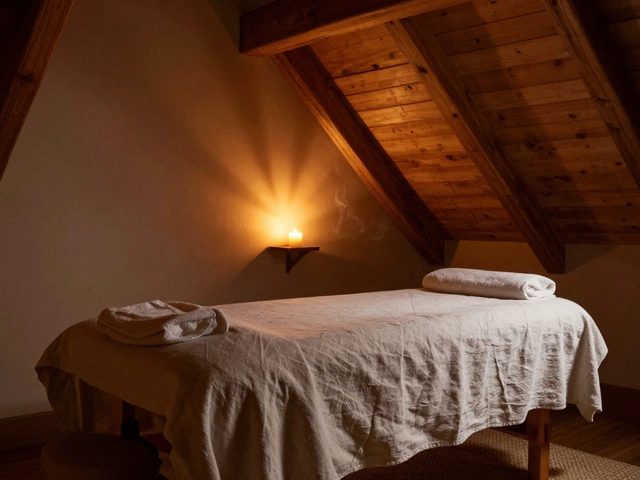
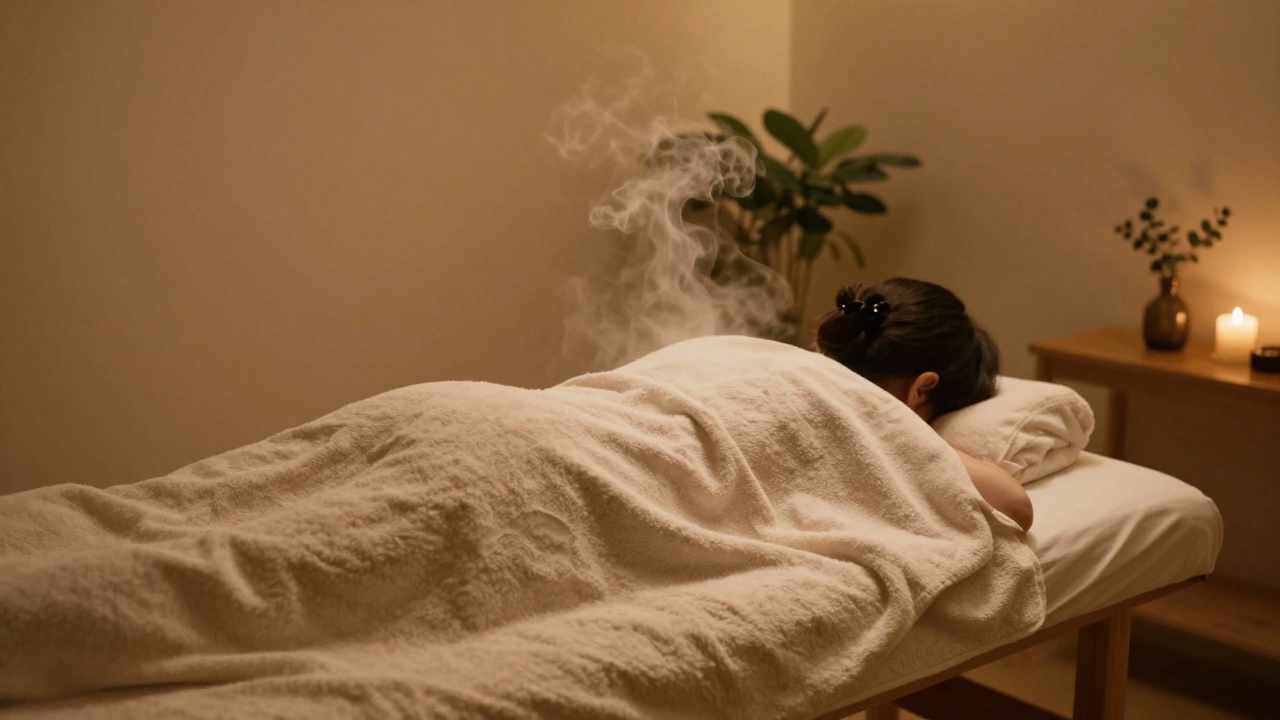
London offers everything from luxury spa retreats in Mayfair to no-frills clinics in Peckham. Most professional therapists work in quiet, clean rooms with dim lighting, soft music, and heated tables. You’ll be offered a robe and asked to undress to your comfort level-most people keep their underwear on. The room will be warm, the air scented with calming oils (like lavender or eucalyptus), and the therapist will leave while you get settled. You’re in control. If you’re uncomfortable with silence, you can talk. If you prefer quiet, say so. There’s no pressure.
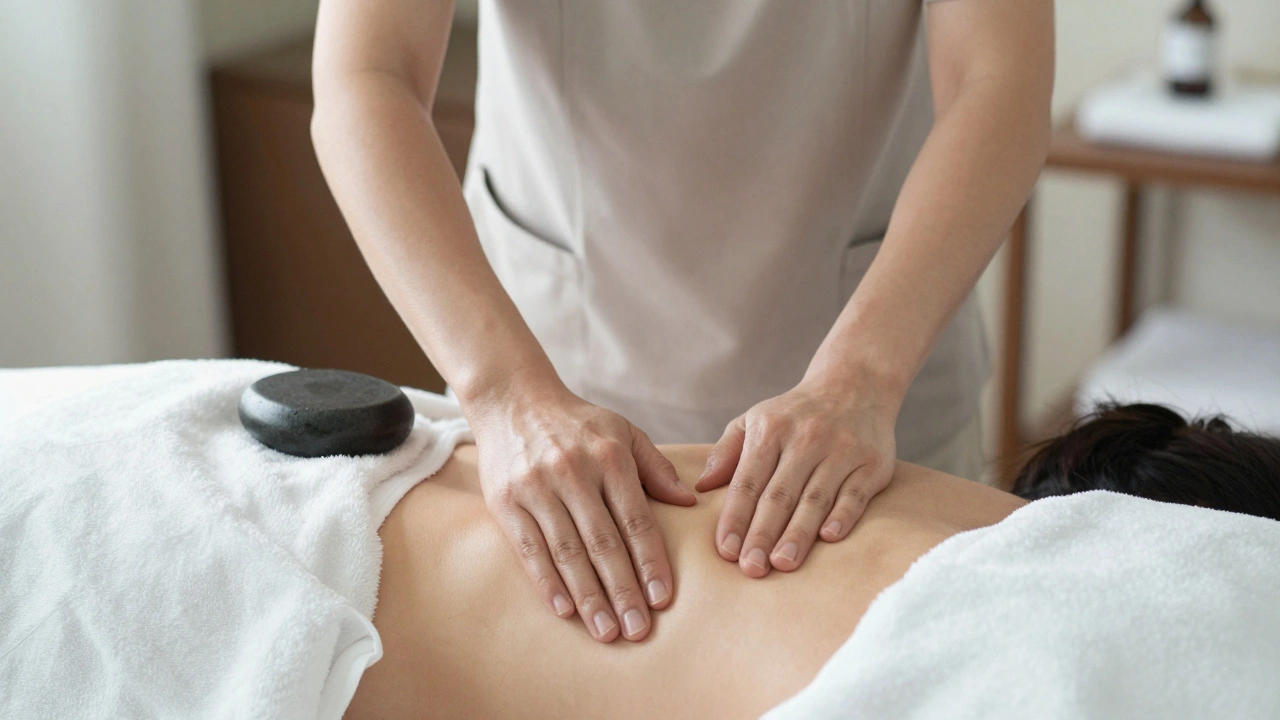
A typical session starts with a quick consultation: where you feel tight, what’s been bothering you, any injuries or conditions. Then, you lie on the table, covered with a towel. The therapist begins with light strokes to warm the tissue, then gradually increases pressure. They’ll check in-"Is this too much?"-and adjust. The session ends with gentle strokes again, helping your body transition out of deep relaxation. Most sessions last 60 or 90 minutes. You’ll be offered water afterward. You might feel a little sore the next day if it was a deep tissue session, but that’s normal.
One size doesn’t fit all. If you’re recovering from an injury, your therapist might focus on scar tissue mobilization. If you’re pregnant, they’ll use pillows to support your belly and avoid certain pressure points. If you’re an athlete, they’ll target your quads and IT band. Many clinics offer add-ons: hot stones, aromatherapy, or cupping. You can also request a male or female therapist-most places let you specify. Don’t be shy about asking for what you need. Good therapists welcome feedback.
Be honest. Tell your therapist if you’re feeling unwell, have a recent injury, or are on medication. If you’re nervous, say so. Many first-timers worry they’ll be "too tense" or "not relaxed enough." That’s fine. The therapist’s job isn’t to fix you in one session-it’s to guide you toward feeling better over time. Arrive 10 minutes early. Avoid heavy meals right before. Drink water afterward to help flush out metabolic waste released during the massage.
Don’t treat massage like a quick fix. Think of it as part of your health routine, like brushing your teeth. Schedule it monthly, or every six weeks if you’re on a budget. Block out time-don’t rush to a meeting right after. Let yourself transition. Wear loose clothes afterward. If you can’t afford weekly sessions, try self-massage with a foam roller or tennis ball at home. Even five minutes a day helps.
Look for therapists registered with professional bodies like the Complementary and Natural Healthcare Council (CNHC) or the Federation of Holistic Therapists (FHT). These organizations require training, insurance, and ongoing education. Avoid places that don’t list therapist credentials. Read reviews on Google or Trustpilot-not just the ones with five stars. Look for patterns: do people mention communication, cleanliness, or pain relief? A good clinic will let you meet the therapist before booking.
If you’re nervous, start with a 30-minute session. You don’t need to commit to an hour right away. Couples can book side-by-side massages-many clinics offer double rooms. It’s a great way to unwind together without talking. Just remember: this isn’t a date night. Keep it quiet. Let the experience be about you, not your partner.
You’ll walk into a calm, clean space. A therapist will ask about your health and goals. You’ll undress to your comfort level and lie under a towel. They’ll use oil or lotion and work on your muscles with hands, sometimes elbows or forearms. Pressure will vary-you’ll be asked to speak up if it’s too much. The room will be warm, quiet, and private. Afterward, you’ll feel deeply relaxed, maybe a little sore, and definitely lighter. Most people leave feeling like they’ve been given back a few hours of their life.
It starts with a brief chat about your concerns. Then you’re left alone to get comfortable on the table. The therapist begins with light strokes to warm the tissue, then moves into deeper work on areas of tension. They’ll check in regularly. You might hear the sound of oil being applied, soft music, or silence. No talking is required. Towels cover you at all times-only the area being worked on is exposed. The session ends with gentle strokes and a quiet exit. You’ll be offered water. That’s it. No magic, no needles, no pressure to talk.
Spa massages focus on ambiance-candles, rose petals, long music tracks. They’re designed to make you feel pampered. Massage therapy focuses on results-releasing knots, improving mobility, reducing pain. While a spa massage might leave you relaxed for a few hours, a therapeutic session can leave you feeling better for days. Therapists are trained in anatomy and physiology. They know where tension hides and how to release it safely. You’re paying for skill, not just a pretty room.
There’s no single method. Most therapists use a blend: Swedish for relaxation, deep tissue for chronic pain, myofascial release for tight connective tissue, and trigger point therapy for localized pain. Some add hot stones, aromatherapy, or stretching. The method depends on your needs. A good therapist doesn’t use the same routine on everyone. They assess, adapt, and respond. It’s not a checklist-it’s a conversation between hands and body.
Always check credentials. Look for registration with CNHC or FHT. These bodies ensure therapists have completed at least 300 hours of training, carry public liability insurance, and follow strict hygiene standards. Avoid places that don’t list therapist names or qualifications. If a therapist won’t answer questions about their training, walk away. Your safety matters more than a discount.
Hygiene isn’t optional. Therapists should wash hands before and after, use clean linens, and disinfect surfaces. You should feel the table is warm and fresh. If you see reused towels or dirty equipment, leave. Also, consent is key. You have the right to say no to any technique. If you feel uncomfortable, speak up. A good therapist will stop immediately.
| Practice | Purpose | Example |
|---|---|---|
| Wash hands | Prevent infection | Before and after every session |
| Use clean linens | Ensure hygiene | Each client gets fresh sheets and towels |
| Ask for consent | Respect boundaries | "Is it okay if I work on your lower back?" |
Your body, your rules. You can say no to any touch. You can ask for more or less pressure. You can request the therapist leave the room while you undress. You can stop the session at any time. No therapist should pressure you into anything. If you feel awkward, that’s okay. It’s normal the first time. Good therapists create space for you to feel safe.
Massage isn’t safe for everyone. Avoid it if you have a fever, blood clots, open wounds, or recent surgery. If you have osteoporosis, cancer, or are on blood thinners, talk to your doctor first. Pregnant women should only get prenatal massage from certified therapists. Never ignore pain during a session-if something hurts too much, speak up. Massage should never cause sharp or burning pain.

Pair massage with mindfulness. Breathe deeply during the session. Afterward, take a quiet walk or sip tea without your phone. Yoga or stretching twice a week can help maintain the benefits. Hydration matters too-drink water to flush out toxins released during massage. Some clients find journaling helps them notice how their body feels over time.
You don’t need to share this experience. Solo massage is powerful. It’s your time to disconnect. But if you and a partner want to unwind together, side-by-side sessions can be lovely. Just keep it quiet. No phones. No talking. Let the silence do the work.
At home, try a foam roller for your back or a tennis ball for your feet. A heated pad before a session can help loosen muscles. Some therapists use gua sha tools or cups-ask if they’re included. Don’t buy expensive gadgets. Simple, consistent care works better than flashy tools.
One session won’t fix years of tension. Think of massage like exercise: regular, not occasional. Monthly sessions are ideal for maintenance. If you’re in pain, weekly for 4-6 weeks may be needed. Many clients report the biggest shift after 3-4 visits. Don’t give up after one try. Your body remembers.
Use the FHT directory (https://www.fht.org.uk) or CNHC’s register (https://www.cnhc.org.uk). Search by postcode. Read reviews on Google. Look for therapists who mention specific techniques (like myofascial release or sports massage) and have clear photos of their space. Avoid places with stock photos or vague descriptions.
The British Association of Massage Therapists (BAMT) offers free guides on their website. Reddit’s r/massage and Facebook groups like "London Massage Enthusiasts" are full of honest reviews and tips. Don’t trust random Instagram influencers-look for therapists with real credentials and consistent feedback.
In London, massage therapy is regulated by professional bodies, not the government. That means anyone can call themselves a "massage therapist." But only those registered with CNHC or FHT are insured and held to professional standards. Always verify credentials. Cultural norms are relaxed-most clinics are gender-neutral and inclusive. You can request a therapist of any gender, and many offer non-binary friendly options.
Books like "The Language of Touch" by Dr. Karen B. Smith and "Massage Therapy Principles and Practice" by Susan Salvo offer solid foundations. YouTube channels like "Massage Therapy Techniques" have free demos. Local colleges like City Lit offer short courses if you’re curious about learning the basics yourself.
London moves fast. But your body doesn’t have to. Massage therapy is one of the few things you can do that costs less than a dinner out but gives you more than temporary relief. It’s not a cure-all, but it’s a powerful tool for staying human in a machine-like world.
Start small. Book a 60-minute session. Don’t overthink it. Let yourself be cared for. If it doesn’t feel right, try another therapist. It’s not about the place-it’s about the connection.
Tried massage therapy in London? Share your experience in the comments-what worked, what didn’t, which therapist changed your week. Follow this blog for more tips on wellness that actually fits into city life.
Some links may be affiliate links, but all recommendations are based on research and quality.
Word count: 1,728