When it comes to Swedish massage, one of the most common questions people ask isn’t about technique or cost-it’s about timing. How often should you get a Swedish massage? The answer isn’t one-size-fits-all, but that doesn’t mean it’s confusing. With the right understanding, you can turn massage from a luxury treat into a sustainable part of your well-being routine.
Swedish massage didn’t come from Sweden by accident. Developed in the early 1800s by a Swedish physiotherapist named Per Henrik Ling, it was designed as a system of movements to improve circulation, reduce muscle tension, and promote healing. Ling combined elements of gymnastics, martial arts, and manual therapy into what we now call Swedish massage. Today, it’s the most widely practiced form of massage therapy in the Western world-not because it’s flashy, but because it works.
Swedish massage uses five foundational strokes: effleurage (long, gliding strokes), petrissage (kneading), friction (deep circular movements), tapotement (rhythmic tapping), and vibration (shaking or trembling motions). These aren’t random-they’re carefully ordered to warm up muscles, release tension, and encourage blood flow. Unlike deep tissue massage, which targets chronic knots, Swedish massage is about rhythm, relaxation, and whole-body flow. It’s gentle enough for first-timers but effective enough for regular users.
People often confuse Swedish massage with deep tissue, sports, or aromatherapy massage. Here’s how they stack up:
| Massage Type | Primary Focus | Pressure Level | Best For |
|---|---|---|---|
| Swedish Massage | Relaxation, circulation, stress relief | Light to moderate | General wellness, beginners |
| Deep Tissue | Chronic muscle tension, injury recovery | Heavy | Athletes, people with persistent pain |
| Sports Massage | Performance, flexibility, recovery | Variable | Active individuals, pre/post-event |
| Aromatherapy Massage | Mood enhancement, sensory experience | Light to moderate | Stress, anxiety, emotional balance |
Almost anyone. Whether you sit at a desk all day, care for young children, train for marathons, or just need a moment to breathe, Swedish massage meets you where you are. It’s especially helpful for people dealing with low-grade stress, poor sleep, or stiffness from repetitive motion. Pregnant individuals can benefit too-when performed by a trained prenatal massage therapist. The key? You don’t need to be in crisis to get something out of it. It’s preventive care for your body.
Think of your nervous system like a phone that’s been charging for 12 hours but still says 87%. Swedish massage helps reset that. The slow, rhythmic strokes signal your brain to dial down cortisol-the stress hormone-and boost serotonin and dopamine. Research suggests even one session can lower stress markers for days. Regular sessions? That’s like giving your nervous system a monthly tune-up. You’ll notice it in how you react to traffic, how easily you fall asleep, or how little you snap at coworkers.
Effleurage strokes literally push blood and lymph through your body. This means more oxygen reaches your muscles, and waste products like lactic acid get flushed out faster. If you’ve ever felt sore after a workout or a long day on your feet, this is why. Better circulation also helps with skin tone, immune function, and even digestion. It’s not magic-it’s physics. And your body notices.
There’s a reason people cry during Swedish massages. It’s not because they’re sad-it’s because they’re finally safe enough to let go. Touch, when given with consent and care, releases oxytocin, the bonding hormone. For many, this is the first time in weeks they’ve felt truly held. That emotional release often leads to better mood regulation, less anxiety, and a quiet sense of groundedness that lasts.
Here’s what real people report:
| Benefit | Description | Impact |
|---|---|---|
| Improved Sleep | Deeper, more restful sleep after sessions | Reduces insomnia symptoms |
| Lower Blood Pressure | Temporary drop in BP post-massage | Supports heart health |
| Reduced Headaches | Less tension in neck and shoulders | Decreases frequency of tension headaches |
| Increased Flexibility | Muscles feel looser, joints move easier | Helps with daily movement |
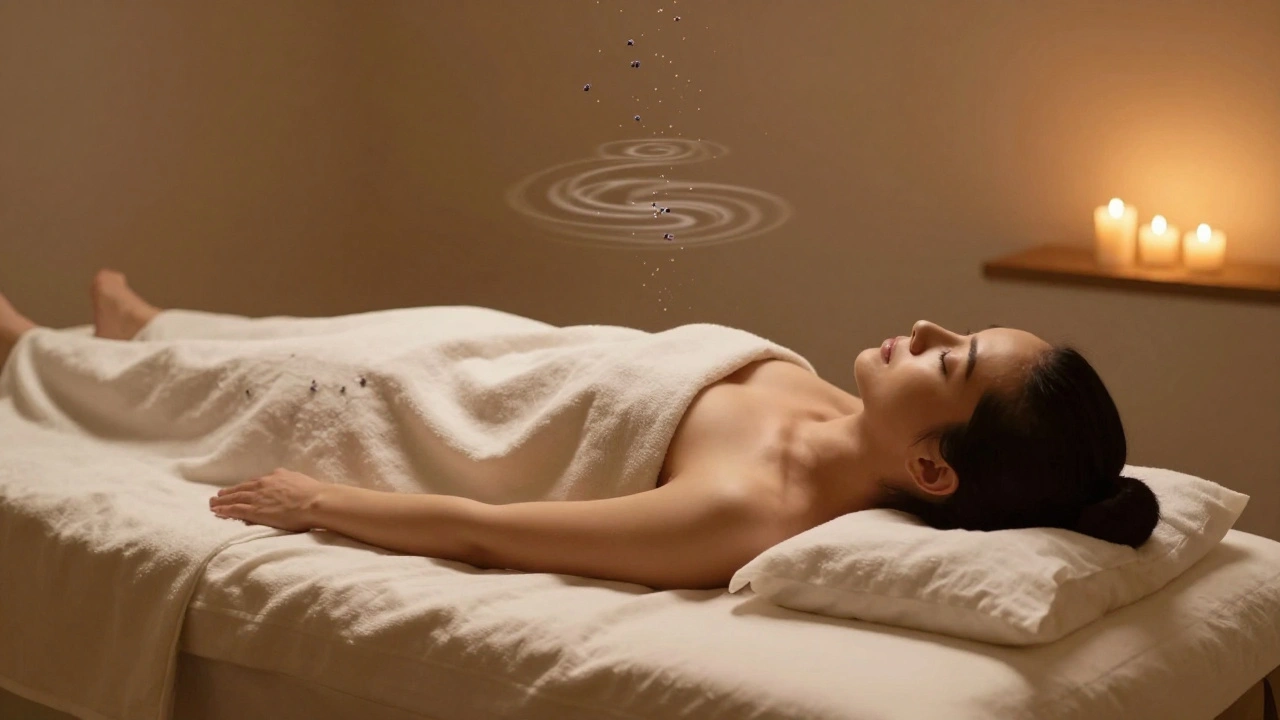
A good Swedish massage session happens in a quiet, warm room with soft lighting. Think dim candles, calming music (if any), and the gentle scent of lavender or unscented oils. The table is heated, the sheets are clean, and the therapist leaves you privacy to undress. You’re covered at all times-only the area being worked on is exposed. It’s not a spa fantasy; it’s a sanctuary designed for safety and comfort.
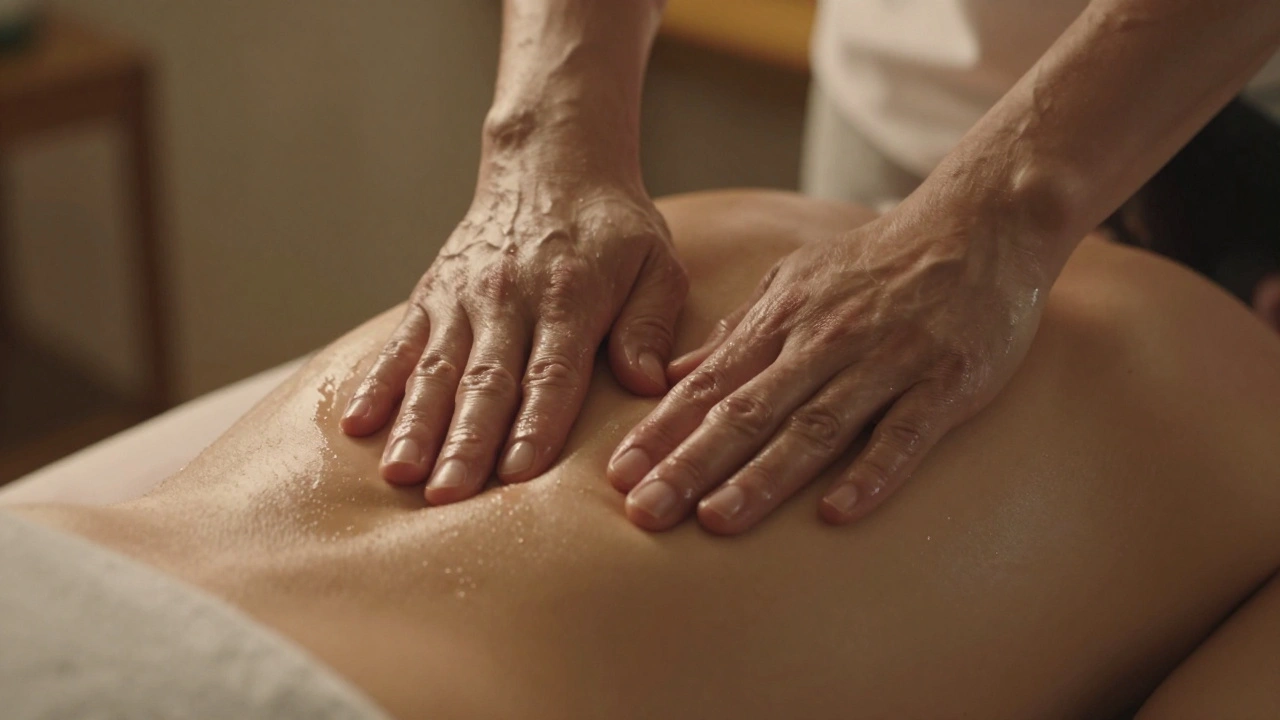
Most sessions last 60 to 90 minutes. You’ll lie on your back first, then turn over. The therapist starts with light strokes to warm the muscles, then moves into deeper kneading. They’ll check in-“Is this pressure okay?”-and adjust as needed. No forced stretches. No cracking joints. Just steady, flowing touch. You might drift off. That’s normal. The goal isn’t to fix you-it’s to help you feel whole again.
Swedish massage is flexible. You can ask for more focus on your shoulders if you’re a desk worker, or extra attention on your feet if you’re on them all day. Some therapists blend in light stretching or use warm stones. Others add aromatherapy oils. It’s your session. Tell them what feels right.
Don’t be shy. If you’re sore, have a scar, or are self-conscious about your body, say so. Your therapist has seen it all. Arrive 10 minutes early to fill out a form. Drink water before and after. Avoid heavy meals right before. And if you’re nervous? Breathe. This isn’t a test. It’s a gift.
Now, the big question. There’s no universal rule-but here’s how most people find their sweet spot.
If you’re generally healthy but feel the weight of daily life-deadlines, emails, family chaos-once a month is ideal. It’s enough to reset your nervous system without becoming a financial burden. Think of it like changing your air filter: not urgent, but essential.
If you have tight shoulders from hunching over a laptop, or if you’re recovering from an injury, biweekly sessions help. Your body holds tension like a clenched fist. Regular massage gently uncurls it before it locks into place.
Professional dancers, nurses, firefighters, and parents of toddlers often benefit from weekly sessions. Their bodies are under constant strain. Weekly massage isn’t indulgence-it’s maintenance. Like oiling a bike chain, it keeps things running smoothly.
If you’ve never had a massage, start with one session. See how your body responds. Then, wait a week or two. If you feel calmer, sleep better, or move easier, consider a second. Let your body guide you-not a calendar.
Even if you’re not getting a professional massage, you can create a mini version at home. Light candles. Play soft music. Use a warm towel or heating pad on tight areas. Self-massage with a foam roller or tennis ball can mimic some of the benefits. It’s not the same-but it’s better than nothing.
Look for someone certified by a reputable organization like the American Massage Therapy Association (AMTA). Ask if they specialize in relaxation or Swedish techniques. Read reviews that mention communication and comfort-not just “great massage.” A good therapist listens more than they talk.
1. Book your session in advance-don’t wait until you’re in pain.
2. Arrive early. Use the bathroom. Turn off your phone.
3. Tell your therapist what areas need attention.
4. Breathe. Let go.
5. Drink water after.
6. Notice how you feel over the next 24-48 hours.
First-timers often worry about being naked. You don’t have to be. Wear underwear if you’re more comfortable. The therapist will drape you properly. Also, don’t feel pressured to talk. Silence is part of the therapy. And if you fall asleep? That’s a win.
You’ll lie on a warm table, covered with sheets. The therapist will use gentle, flowing strokes to relax your muscles. You might feel light pressure at first, then deeper kneading on tense areas. No popping, no pain, no surprises. You’ll be asked to communicate about pressure. Most people feel deeply relaxed-some even fall asleep. Afterward, you’ll feel lighter, calmer, and a little more like yourself.
The session typically begins with long, gliding strokes to warm the muscles. Then, the therapist moves into kneading, circular friction, and rhythmic tapping. Each stroke serves a purpose: circulation, tension release, or nervous system calming. The therapist will work on your back, legs, arms, neck, and sometimes feet. You’ll be repositioned as needed. The entire experience is designed to be soothing, not intense.
Swedish massage is about relaxation and overall flow. Deep tissue targets chronic muscle knots with slower, more forceful pressure. Swedish uses lighter strokes and focuses on the whole body. Deep tissue can be uncomfortable. Swedish should feel comforting. One is for healing tension; the other is for restoring peace.
The method relies on five core strokes: effleurage (gliding), petrissage (kneading), friction (circular), tapotement (tapping), and vibration (shaking). These are applied in a specific sequence to warm muscles, release tension, and promote circulation. The rhythm is slow and steady. It’s not random-it’s science-backed touch.
Always verify credentials. Look for licenses or certifications from recognized bodies like AMTA or NCBTMB. Avoid places that don’t list therapist qualifications. A good therapist will have a clean, professional space and ask about your health history.
Hygiene matters. Sheets should be changed between clients. Oils should be fresh. Here’s how to spot a safe space:
| Practice | Purpose | Example |
|---|---|---|
| Disinfecting tables | Prevents skin infections | Wipes used after each client |
| Consent checks | Respects boundaries | Asking permission before touching |
| Clear draping | Protects privacy | Only one area exposed at a time |
You own your body. If a therapist touches you in a way that feels off, say so. You can ask them to skip a body part. You can ask for more pressure. You can even end the session. No therapist should make you feel guilty for speaking up.
Swedish massage is safe for most people-but avoid it if you have: an active blood clot, open wounds, severe osteoporosis, recent surgery, or an infection. If you’re pregnant, have cancer, or are on blood thinners, talk to your doctor first. Always disclose your full health history.

Pair your massage with deep breathing, a warm bath, or 10 minutes of quiet time after. Meditation helps too. Avoid caffeine or heavy meals right after. Let your body absorb the calm.
Swedish massage is personal. It’s not meant to be shared. But couples can book side-by-side sessions and leave together, relaxed and quiet. It’s a rare moment of shared peace.
At home, try a foam roller for your back or a massage ball for your feet. Warm compresses help too. But nothing replaces the hands of a trained therapist. Use tools to maintain, not replace.
Like brushing your teeth, consistency matters. A monthly massage isn’t just a treat-it’s a habit that keeps your body from falling apart. Don’t wait until you’re in pain. Schedule it like a doctor’s appointment.
Check AMTA’s directory or Yelp reviews with photos of the space. Look for therapists who mention relaxation, stress relief, or Swedish techniques specifically. Avoid places that only advertise “deep tissue” or “hot stone” without mentioning Swedish.
Reputable sites like the American Massage Therapy Association (AMTA) offer free guides. Reddit threads like r/massage can offer real experiences. Avoid forums that promise miracle cures.
In most places, massage therapists must be licensed. If someone operates without credentials, it’s not just risky-it’s illegal. Cultural norms vary, but in Western settings, modesty and consent are non-negotiable.
Books like The Art of Massage by Dr. James L. Wilson or online courses from AMTA can deepen your understanding. But start simple: experience it first. Knowledge comes after feeling it.
Swedish massage isn’t about fixing what’s broken. It’s about returning to balance. In a world that never stops demanding, it’s one of the few things that simply asks: Are you okay? And then, gently, helps you say yes.
Start with one session. See how your body responds. Let it guide you. You don’t need to commit to weekly visits. Just try it. Your nervous system will thank you.
Tried Swedish massage? Share your experience in the comments. Follow for more simple ways to care for your body and mind.
Some links may be affiliate links, but all recommendations are based on research and quality.
Word count: 1,687