Foot massage is one of the simplest, most effective ways to reset your body after a long day. Whether you’ve been on your feet all day at work, chasing kids around, or just walked too much during a weekend city break, your feet carry the weight of your whole life. And when they’re tired, everything else feels heavier. A foot massage doesn’t just soothe sore muscles-it resets your nervous system, improves circulation, and even lifts your mood. No fancy equipment. No expensive spa visits. Just your hands, a little oil, and five minutes of intentional care.
Foot massage isn’t new. Ancient Chinese, Egyptian, and Indian cultures all practiced foot manipulation as part of healing traditions. In China, reflexology-pressing specific points on the feet to affect organs elsewhere in the body-dates back over 5,000 years. The Egyptians left wall carvings in tombs showing foot and hand treatments. These weren’t just relaxation techniques; they were medical practices. Today, modern science confirms that the soles of the feet are packed with nerve endings, pressure points, and blood vessels that connect directly to the rest of the body. A foot massage taps into this ancient wiring.
At its heart, foot massage is about pressure, rhythm, and attention. You don’t need to be a therapist to do it right. The key is applying steady, circular pressure with your thumbs and fingers, focusing on the arch, heel, ball of the foot, and between the toes. Gentle stretching of the toes and ankle rotations help too. The goal isn’t to crush every knot-it’s to encourage blood flow and release tension. Even five minutes of focused attention can trigger a relaxation response in your brain. Think of it like hitting a reset button for your nervous system.
Foot massage isn’t the same as reflexology, though they’re often confused. Reflexology maps specific zones on the foot to organs (like the liver or heart) and claims to treat internal conditions. There’s little scientific proof for those claims. Foot massage, on the other hand, focuses on muscles, tendons, and circulation. It’s more about physical relief than energetic healing.
Compare it to a full-body massage: that’s broader, deeper, and more time-intensive. Foot massage is quick, targeted, and can be done anywhere-even at your desk.
| Practice | Key Feature | Primary Benefit |
|---|---|---|
| Foot Massage | Pressure on muscles and joints | Immediate tension relief, improved circulation |
| Reflexology | Mapping pressure points to organs | Perceived holistic balance (limited scientific backing) |
| Full-Body Massage | Deep tissue work across entire body | Comprehensive relaxation, pain reduction |
Almost everyone. Office workers with stiff feet, nurses on 12-hour shifts, parents who’ve been chasing toddlers, runners, travelers, or even people who just stand too much while cooking dinner. It’s especially helpful if you have flat feet, plantar fasciitis, or swelling from sitting or standing. Even if you don’t have pain, foot massage helps reduce stress. Studies from the National Institutes of Health show that consistent foot stimulation lowers cortisol levels and improves sleep quality. You don’t need to be in pain to benefit-you just need to be human.
Your feet are wired directly to your brain. When you massage them, you send calming signals through the vagus nerve, which controls your rest-and-digest response. One 2021 study found that participants who received regular foot massages reported a 30% drop in perceived stress over four weeks. You don’t need to lie on a table for an hour. Just sit down, take off your shoes, and spend three minutes rubbing your arches. It’s like a mini meditation with your hands.
Tired feet don’t just hurt-they affect how you move. Tight calves, stiff ankles, and sore soles can change your posture, leading to knee or back strain. A regular foot massage keeps your feet flexible and responsive. It improves balance, reduces stiffness, and helps prevent injuries. Runners and walkers swear by it. Even if you’re not athletic, better foot function means better walking, standing, and climbing stairs without groaning.
There’s a reason you instinctively rub your feet after a hard day. It’s comforting. The tactile sensation triggers dopamine release-the same chemical involved in pleasure and reward. Many people report feeling calmer, even happier, after a foot massage. It’s not magic. It’s neuroscience. Touch is one of the most powerful human needs. When you take time to care for your feet, you’re telling yourself: I matter.
Foot massage fits into real life. Do it while watching TV. Do it before bed. Do it in the car (if you’re not driving). It’s portable, cheap, and doesn’t require appointments. Keep a tennis ball under your desk. Roll it under your foot for 60 seconds every hour. It’s a tiny habit with big returns.
| Benefit | Description | Impact |
|---|---|---|
| Improved Circulation | Stimulates blood flow to extremities | Reduces swelling, warms cold feet |
| Pain Relief | Loosens tight muscles and fascia | Helps with plantar fasciitis, heel pain |
| Better Sleep | Calms the nervous system | Falls asleep faster, sleeps deeper |
| Mood Boost | Releases feel-good neurotransmitters | Reduces anxiety, increases calm |
You don’t need a spa. A quiet corner of your living room, your bedroom, or even the kitchen while waiting for the kettle to boil works. Use a soft towel or cushion under your foot. A low chair is ideal. If you’re doing it for someone else, make sure they’re comfortable and not rushed. The goal is to create a moment of peace, not a chore.
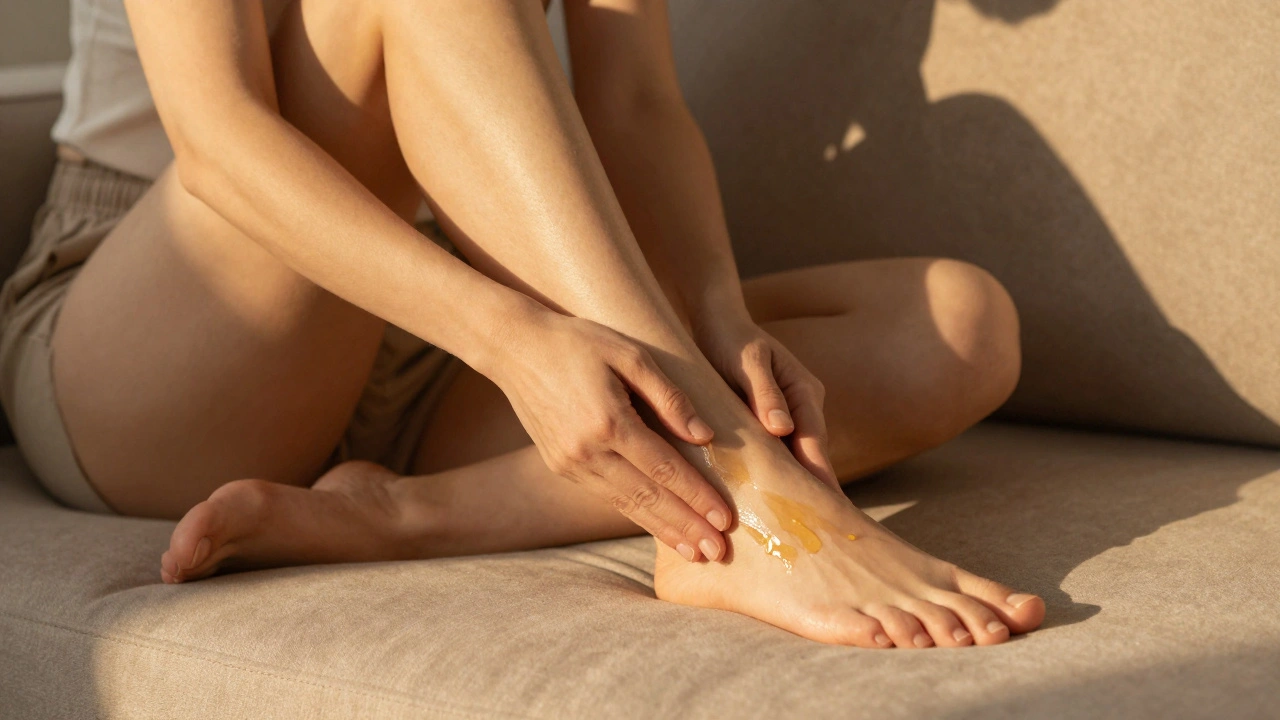
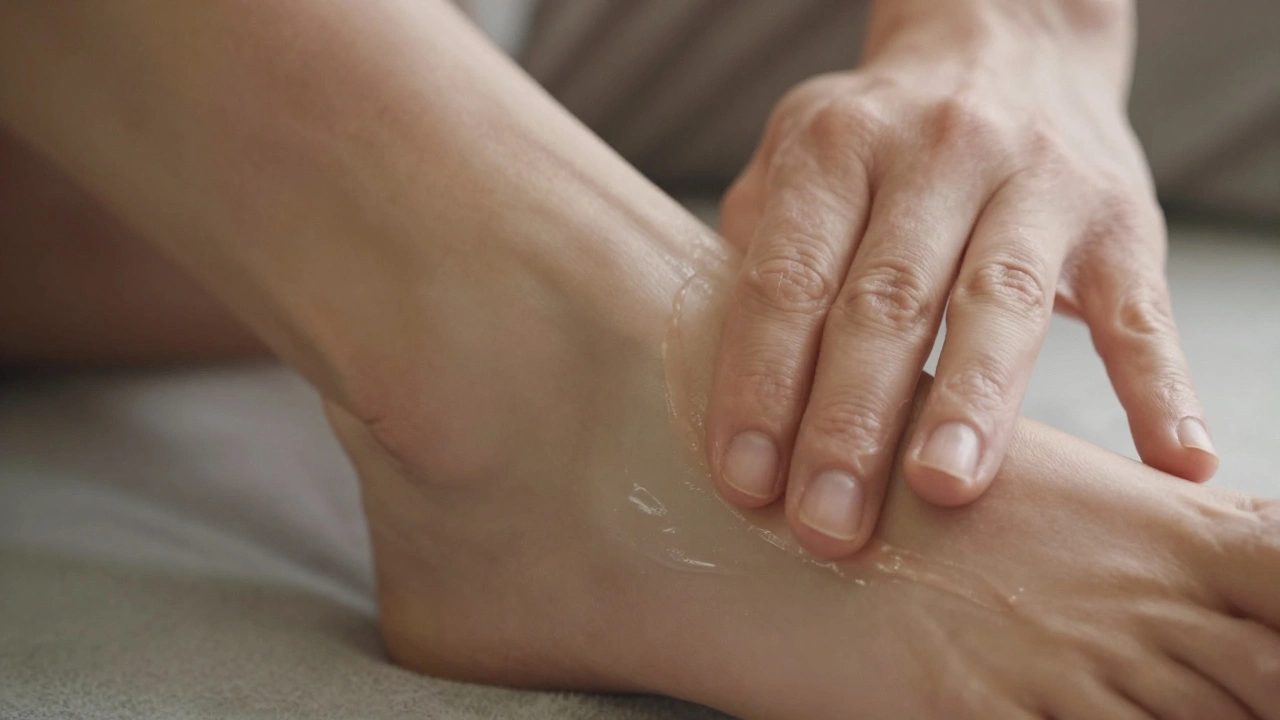
Start with warm feet-soak them in lukewarm water for five minutes if you can. Dry them well. Apply a small amount of oil or lotion (coconut, almond, or even plain moisturizer). Begin with gentle strokes from heel to toes. Then use your thumbs to press along the arch in circular motions. Work on the ball of the foot, then the toes-gently pull each one. Finish with ankle rotations. Spend at least two minutes per foot. If you’re short on time, focus on the arch-that’s where most tension lives.
Some people like deep pressure. Others prefer light touch. If you have sensitive skin, skip oils and use just your fingers. If you have diabetes or nerve damage, avoid intense pressure. You can add heat with a warm towel, or coolness with a chilled roller. There’s no wrong way-as long as it feels good.
If you’re giving a foot massage to someone else, ask: "How does this feel?" and "Should I go lighter or deeper?" Never assume. Some people are ticklish. Others have old injuries. A foot massage should never hurt. If it does, stop. Communication turns a routine into a caring ritual.
Choose a time when you won’t be interrupted. Evening works well-it helps you wind down. Keep a small bottle of lotion or oil nearby. Have a towel ready. Remove your shoes early. If you’re doing it at work, keep a foot roller under your desk. Make it part of your routine, like brushing your teeth.
You don’t need much. A tennis ball, a golf ball, or even a water bottle can double as a roller. Wooden foot massagers exist, but they’re not necessary. Avoid electric massagers if you have poor circulation or numbness-they can cause injury. Your hands are the best tool. They’re sensitive, warm, and always available.
If you’re new to this, start with just two minutes a day. Don’t aim for perfection. Consistency beats intensity. If you’re doing it with a partner, make it a ritual. One person massages while the other relaxes. Switch after five minutes. It’s surprisingly intimate-and not romantic. Just human.
Expect warmth, relaxation, and maybe a little ticklishness. It’s not supposed to be painful. Some people feel a tingling sensation as circulation improves. Others fall asleep. Afterward, you might notice your feet feel lighter, your legs less heavy, and your mind quieter. It’s subtle, but cumulative. Do it regularly, and you’ll start noticing better sleep, less foot pain, and even improved posture.
Your hands apply pressure to the soles, arches, heels, and toes. This stimulates nerves, releases tension in muscles, and increases blood flow. You might feel a release of tightness in your calves or lower back-because your feet are connected to your whole body. There’s no cracking, popping, or needles. Just steady, soothing pressure. It’s like giving your body a soft, quiet hug.
Foot massage works on muscles and joints. Reflexology claims that pressing certain spots on the foot can heal organs like the liver or lungs. There’s no solid evidence for that. Foot massage gives you physical relief you can feel immediately. Reflexology is more about belief than biology. Stick with foot massage if you want real results.
The method is simple: use your thumbs and fingers to apply steady, circular pressure to the arch and ball of the foot. Follow with gentle stretching of the toes and ankle rotations. Focus on areas that feel tight or tender. Spend at least two minutes per foot. Use oil or lotion to reduce friction. Breathe deeply. Let go of the day.
If you’re seeing a professional, look for someone certified in massage therapy-not just a reflexology practitioner. Check their credentials. Ask if they’re trained in anatomy and safety. Avoid places that promise to cure diabetes or reverse arthritis through foot pressure. Those claims are misleading.
Keep your hands clean. Use clean towels. Don’t massage if you have open sores, infections, or recent injuries. If you’re pregnant, avoid deep pressure on the inner ankle-some pressure points there are linked to labor. Always ask yourself: Does this feel safe? If not, stop.
| Practice | Purpose | Example |
|---|---|---|
| Avoid deep pressure on swollen feet | Prevent circulation issues | If you have edema from sitting too long |
| Use lotion to reduce friction | Prevent skin irritation | Especially if you have dry or sensitive skin |
| Stop if you feel sharp pain | Prevent injury | Pain isn’t "good pressure" |
Whether you’re giving or receiving, boundaries matter. Some people hate having their toes touched. Others prefer no oil. Always ask. Never force. A foot massage should feel like comfort, not obligation.
Don’t massage if you have: deep vein thrombosis (blood clots), severe osteoporosis, active infections, or open wounds on the feet. If you have diabetes, check your feet daily for cuts or numbness before massaging. If you’re unsure, talk to your doctor. Better safe than sorry.
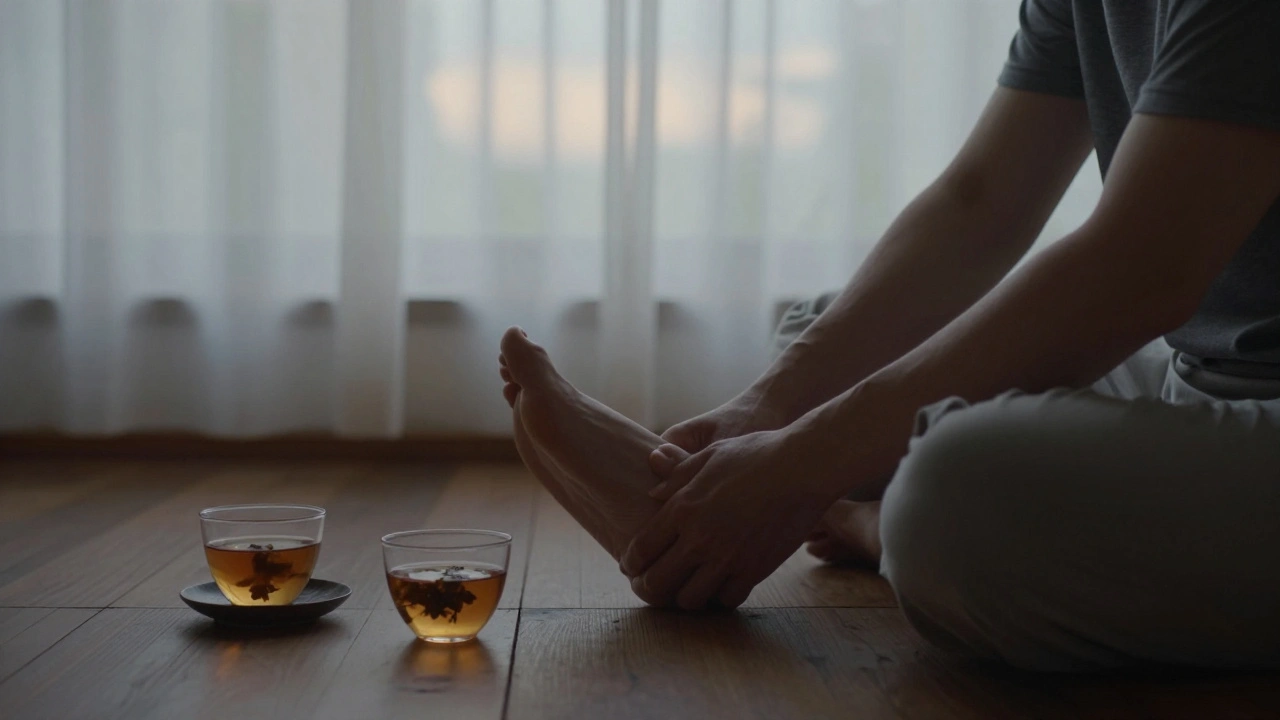
Pair foot massage with deep breathing. Or listen to calming music. Or sip herbal tea. Even just dimming the lights helps. Some people like to meditate while massaging. Others like to journal afterward. Small rituals amplify the effect.
It works both ways. Solo foot massage is empowering. You control the pressure and timing. With a partner, it becomes a quiet act of care. No words needed. Just touch. Both are valid. Choose what fits your life.
A foam roller, a tennis ball, or even a chilled metal spoon can help. Roll the ball under your foot while watching TV. Keep one in your car. Use a cold pack for swollen feet. But remember: your hands are the best tool. Tools just help when you’re tired.
One session helps. Ten sessions change your life. Aim for 5-10 minutes, 3-4 times a week. Make it part of your evening wind-down. Over time, you’ll notice less fatigue, better sleep, and fewer aches. It’s not a cure. It’s a daily reset.
Look for licensed massage therapists with experience in foot and lower limb care. Check reviews on trusted platforms. Avoid places that sell expensive oils or promise miracle cures. A good therapist listens. They don’t push products.
The American Massage Therapy Association (AMTA) has free guides on self-massage techniques. YouTube has reliable tutorials from certified therapists. Look for channels with clear anatomy explanations, not just relaxation music.
In the UK, massage therapy is regulated under the Health and Social Care Act. Practitioners must be registered if they work in clinics. At home, you’re free to massage yourself or others. No laws against it. Just use common sense and respect.
Try the book "The Reflexology Handbook" by Barbara and Kevin Kunz for basic anatomy. Or watch the free YouTube series "Foot Health Basics" by the Chartered Society of Physiotherapy. Both are practical, no-fluff resources.
Foot massage isn’t a luxury. It’s a basic form of self-care. You wouldn’t ignore a blister on your foot. Why ignore the daily strain? It’s one of the few things you can do right now, with no cost, no appointment, and no waiting. Your feet carry you through life. Give them a little love.
Start small. Five minutes tonight. No pressure. Just try it. See how your body responds. If it helps, make it a habit. If not, try a different technique. Everyone’s different. There’s no right way-only what feels right for you.
Tried foot massage? Share your experience in the comments! What did you notice? Did it help you sleep better? Did you try it with a partner? Let’s build a community of people who know how good it feels to care for your feet.
Some links may be affiliate links, but all recommendations are based on research and quality.
Word count: 1,723