Aromatherapy Massage: A Mindful Approach to Relaxation
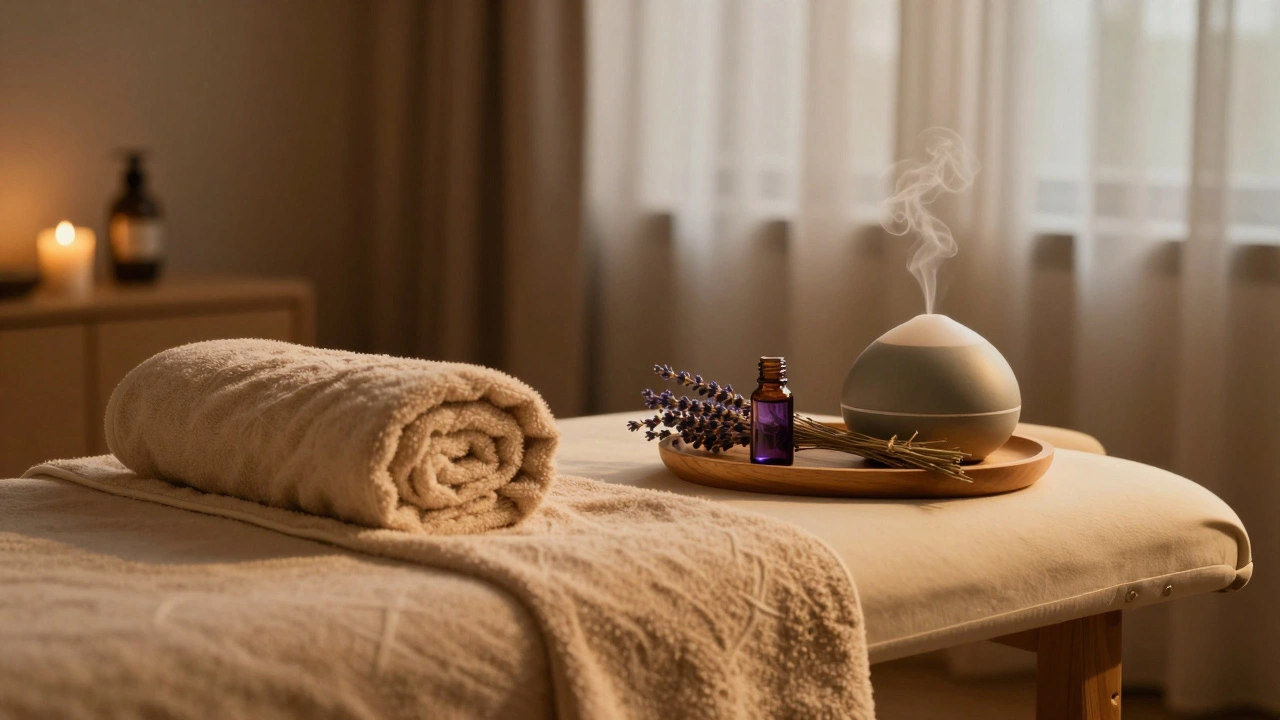
Aromatherapy massage is more than just a spa treat-it’s a full-body reset that blends the calming power of touch with the soothing science of plant-based scents. If you’ve ever felt your shoulders drop after inhaling lavender or noticed your breath slow down during a warm oil rubdown, you’ve already felt the magic of this practice. It’s not about fixing what’s broken. It’s about helping your nervous system remember what calm feels like.
Understanding the Basics of Aromatherapy Massage
Origins and History
Aromatherapy massage doesn’t come out of nowhere. Its roots stretch back thousands of years. Ancient Egyptians used scented oils in rituals and embalming. Traditional Chinese and Ayurvedic medicine long relied on plant extracts to balance energy and soothe the body. The modern version we recognize today began taking shape in the 20th century, thanks to French chemist René-Maurice Gattefossé, who famously used lavender oil to heal a burn on his hand and noticed how quickly it healed. That moment sparked a wave of scientific interest in essential oils and their therapeutic effects. Today, aromatherapy massage combines these ancient traditions with modern massage techniques, creating a holistic experience that engages both body and mind.
Core Principles or Components
At its heart, aromatherapy massage rests on two pillars: touch and scent. The massage itself-usually a blend of Swedish, deep tissue, or gentle effleurage strokes-helps release muscle tension, improve circulation, and activate the parasympathetic nervous system (the one that says, “You’re safe now”). Meanwhile, essential oils-concentrated plant extracts-are diluted in a carrier oil (like jojoba or sweet almond) and applied to the skin. These oils aren’t just for smell. When absorbed through the skin and inhaled, they interact with your limbic system, the part of your brain tied to emotion and memory. A drop of bergamot might lift your mood. A whisper of chamomile might quiet your racing thoughts. Together, they create a layered experience that’s both physical and emotional.
How It Differs from Related Practices
It’s easy to confuse aromatherapy massage with regular massage or a simple scented bath. But here’s what sets it apart:
Comparison of Aromatherapy Massage vs. Other Relaxation Practices
| Practice |
Key Feature |
Primary Benefit |
| Aromatherapy Massage |
Combines touch + targeted essential oils |
Simultaneous physical and emotional calming |
| Traditional Massage |
Focuses on muscle release |
Physical tension relief |
| Scented Bath |
Passive scent exposure |
Mild mood uplift |
| Essential Oil Diffuser |
Airborne scent only |
Environmental mood setting |
The real difference? Aromatherapy massage doesn’t just surround you with scent-it lets the scent work *with* your body’s response to touch. It’s not a one-sense experience. It’s a full-system reset.
Who Can Benefit from Aromatherapy Massage?
Almost anyone who’s ever felt overwhelmed can benefit. Busy parents, shift workers, people recovering from illness, those with chronic stress, or even folks just trying to slow down in a fast-paced world. It’s not just for spa-goers. People with anxiety, mild depression, or trouble sleeping often report noticeable shifts after just one session. You don’t need to be “into wellness” to find value here. You just need to be human.
Benefits of Aromatherapy Massage for Body and Mind
Stress Reduction
Stress isn’t just in your head-it lives in your muscles, your breath, your heart rate. Aromatherapy massage tackles it from both sides. The pressure of hands on skin lowers cortisol levels. Meanwhile, oils like lavender, frankincense, and ylang-ylang have been shown in studies to reduce heart rate and blood pressure. One 2014 study published by the National Center for Complementary and Integrative Health found that participants who received aromatherapy massage reported significantly lower stress scores than those who received massage alone. Think of it as hitting the pause button on your nervous system. You don’t just feel relaxed-you *become* relaxed.
Enhanced Sleep Quality
If you’ve ever lain awake while your mind spins like a hamster wheel, you know how hard it is to switch off. Aromatherapy massage helps bridge that gap. Lavender oil, in particular, has been linked to increased slow-wave sleep-the deep, restorative stage. A massage before bed, with a few drops of lavender in the carrier oil, can signal to your body that it’s time to wind down. It’s not a magic pill. But it’s a powerful ritual. One that tells your brain: “The day is done. You’re safe.”
Emotional Well-Being
Scents are tied directly to memory and emotion. The smell of citrus can spark joy. Rose can bring comfort. Sandalwood can feel grounding. During a massage, these scents don’t just float in the air-they’re absorbed through your skin and inhaled deeply. This triggers the limbic system, which can help release buried emotions or ease feelings of sadness. Many clients describe feeling lighter afterward-not because something changed externally, but because something inside shifted. It’s not therapy. But it can feel like a gentle nudge toward emotional clarity.
Practical Applications
The benefits don’t end at the spa door. People who regularly get aromatherapy massages often report better focus at work, fewer tension headaches, and even improved digestion (thanks to reduced stress-related gut issues). It’s not a cure-all. But it’s a practical tool for daily resilience. Imagine starting your day with a calmer nervous system. Or ending it with less muscle tightness and fewer racing thoughts. That’s the real-world impact.
Key Benefits of Aromatherapy Massage
| Benefit |
Description |
Impact |
| Stress Reduction |
Lowers cortisol and calms the nervous system |
Improved mood, fewer anxiety spikes |
| Sleep Enhancement |
Promotes deeper, more restful sleep |
Increased energy, better focus |
| Emotional Balance |
Triggers positive emotional responses via scent-memory |
Reduced overwhelm, greater inner calm |
| Physical Recovery |
Improves circulation and releases muscle tension |
Less pain, faster recovery |
What to Expect When Engaging with Aromatherapy Massage
Setting or Context
A good session starts before you even lie down. Think dim lights, soft music, and warmth-maybe a heated table, a cozy blanket, and the quiet hum of a diffuser nearby. The room should feel like a sanctuary, not a clinic. No fluorescent lights. No beeping machines. Just calm. The therapist will often let you choose your scent before the session begins. You might smell a few options: lavender for calm, citrus for energy, eucalyptus for clarity. There’s no pressure to pick the “right” one. Pick what feels right to you right now.
Key Processes or Steps
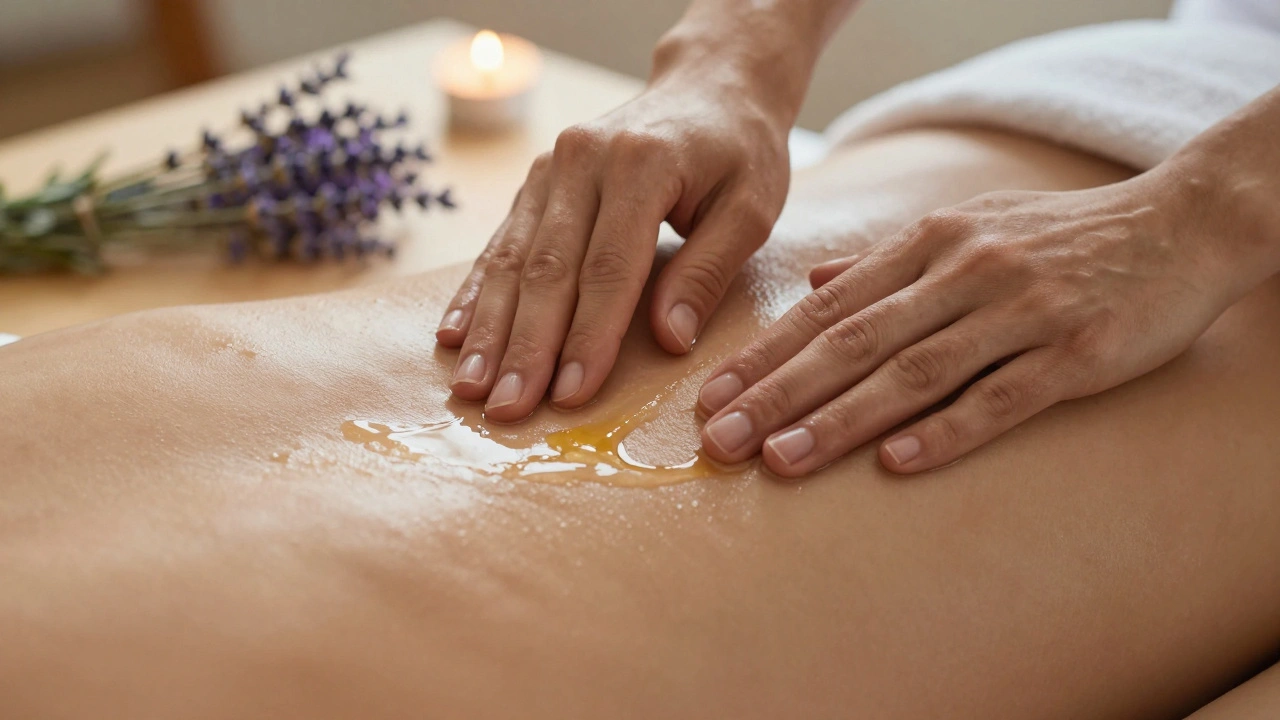
The session usually lasts 60 to 90 minutes. It begins with a brief chat-what you’re feeling, any areas of tension, allergies or sensitivities. Then you’re guided to the table. The therapist will apply a warm, scented oil blend using long, flowing strokes. Pressure is adjustable. It’s not about deep tissue pain-it’s about rhythm and release. You’ll likely feel the scent deepen as the oil warms with your body heat. Around the 30-minute mark, many people slip into a quiet, dreamy state. That’s the sweet spot. The massage ends with gentle pressure on the feet or head, and you’re left wrapped in warmth, breathing slowly.
Customization Options
No two sessions are alike. You can choose oils based on your mood: peppermint for fatigue, chamomile for irritability, rose for heartache. You can ask for lighter pressure if you’re sensitive, or longer time on your back if you’re carrying tension there. Some therapists even offer add-ons: warm stones, scalp massage, or guided breathing. The key? You’re in charge. This isn’t a one-size-fits-all routine. It’s a personalized pause.
Communication and Preparation
Before the session, tell your therapist about any health conditions-pregnancy, skin sensitivities, asthma, or recent injuries. Don’t worry about sounding “too detailed.” They’ve heard it all. Arrive 10 minutes early to settle in. Skip heavy meals. Drink water afterward. And if you’re nervous? That’s okay. Many people feel awkward the first time. But by the end? Most say they wish they’d done it sooner.
How to Practice or Apply Aromatherapy Massage
Setting Up for Success
If you want to try this at home, start simple. You don’t need a spa. Just a quiet room, a warm towel, and a few drops of essential oil mixed with a carrier oil (like coconut or grapeseed). Light a candle. Play soft music. Put your phone on silent. The goal isn’t perfection-it’s presence. Even 15 minutes can make a difference.
Choosing the Right Tools/Resources
Not all oils are created equal. Look for 100% pure, therapeutic-grade essential oils from reputable brands. Avoid synthetic fragrances-they don’t have the same effect and can irritate skin. For carrier oils, sweet almond, jojoba, or sunflower oil work well. You’ll also want a small bottle to mix and store your blend. If you’re unsure where to start, ask a certified aromatherapist or visit a trusted wellness store.
Step-by-Step Guide
1. Choose 2-3 drops of essential oil (lavender, chamomile, or bergamot are beginner-friendly).
2. Mix with 1 tablespoon of carrier oil in a small glass bottle.
3. Warm the oil slightly by rubbing it between your palms.
4. Apply to shoulders, back, or feet using slow, circular motions.
5. Breathe deeply. Let the scent sink in.
6. Take 5 minutes to just be still afterward.
That’s it. No fancy moves. Just touch, scent, and stillness.
Tips for Beginners or Couples
First-timers: Don’t rush. This isn’t a task to complete-it’s a feeling to cultivate. If you fall asleep? Perfect. Couples: Try giving each other a 10-minute back rub with a shared scent. It’s a quiet way to connect without talking. No pressure. Just presence.
FAQ: Common Questions About Aromatherapy Massage
What to expect from aromatherapy massage?
You’ll lie on a warm table, wrapped in a soft towel, as a therapist applies scented oil with gentle, flowing strokes. The room will be quiet, dimly lit, and calm. You’ll smell the oil as it warms on your skin. Many people feel deeply relaxed, sometimes even sleepy. It’s not a deep tissue workout. It’s a slow, soothing release. You might feel emotional afterward-tears, laughter, or just quiet peace. All of it is normal. The session ends with you feeling lighter, calmer, and more grounded.
What happens during an aromatherapy massage?
The session begins with a short chat about your needs. Then, you’ll undress to your comfort level and lie under a towel. The therapist will apply a blend of essential oils in a carrier oil, using long strokes along your back, arms, legs, and sometimes head or feet. Pressure is light to medium. You’ll breathe in the scent as it’s absorbed through your skin. The massage usually lasts 60-90 minutes. Most people leave feeling calm, warm, and quietly happy.
How does aromatherapy massage differ from regular massage?
Regular massage focuses on muscles and movement. Aromatherapy massage adds scent as a therapeutic layer. The oils don’t just smell nice-they interact with your brain’s emotion center. This creates a deeper sense of calm that lingers longer. You’re not just relaxing your body-you’re soothing your nervous system. It’s like adding a soundtrack to your massage: one that whispers, “You’re safe.”
What is the method of aromatherapy massage?
The method is simple: combine touch with scent. Essential oils are diluted in a carrier oil and applied during massage. The oils are absorbed through the skin and inhaled. The massage technique is usually gentle and rhythmic-Swedish-style strokes with long, flowing movements. The goal isn’t to break down knots, but to invite relaxation. The scent enhances the effect, helping your mind let go as your body unwinds.
Safety and Ethical Considerations
Choosing Qualified Practitioners/Resources
Look for therapists certified in aromatherapy or holistic massage. Membership in organizations like the National Association for Holistic Aromatherapy (NAHA) or the International Federation of Professional Aromatherapists (IFPA) is a good sign. Ask about their training. Don’t be afraid to ask what oils they use and where they source them. Quality matters.
Safety Practices
Safety Tips for Aromatherapy Massage
| Practice |
Purpose |
Example |
| Always dilute essential oils |
Prevents skin irritation |
Use 1-3 drops per tablespoon of carrier oil |
| Do a patch test |
Checks for allergic reactions |
Apply a drop to your inner wrist 24 hours before |
| Avoid certain oils during pregnancy |
Protects fetal health |
Skip rosemary, clary sage, and peppermint early on |
Setting Boundaries
You have the right to say no. If the pressure is too deep, the oil smells too strong, or you’re uncomfortable with undressing, speak up. A good therapist will adjust instantly. Your comfort isn’t optional-it’s essential.
Contraindications or Risks
Avoid aromatherapy massage if you have severe allergies, open wounds, or recent surgery. Some oils aren’t safe during pregnancy, for children under 2, or for people with epilepsy or asthma. If you’re on medication, check with your doctor. Always disclose your full health history.
Enhancing Your Experience with Aromatherapy Massage
Add Complementary Practices
Pair your massage with deep breathing, journaling, or a short meditation afterward. Light stretching or a warm herbal tea can deepen the calm. Even five minutes of quiet in the dark can help the effects stick.
Collaborative or Solo Engagement
It works beautifully alone-or with someone else. A partner massage with a shared scent can build intimacy without words. Solo? Even better. It’s a gift you give yourself.
Using Tools or Props
A heated blanket, a silk eye mask, or a small diffuser nearby can turn a home session into a mini-retreat. A warm towel placed over your back after the massage? Pure luxury.
Regular Engagement for Benefits
Like meditation or walking, the real power comes with consistency. Try one session a month. Or treat yourself every season. You don’t need to do it daily. But the more you return to it, the more your body learns to relax on cue.
Finding Resources or Experts for Aromatherapy Massage
Researching Qualified Practitioners
Check reviews on trusted platforms. Look for therapists with certifications in aromatherapy or holistic health. Ask about their training, oils used, and sanitation practices. A professional will be happy to answer.
Online Guides and Communities
Websites like NAHA.org and IFPA.org offer reliable, science-backed info. YouTube has guided self-massage videos. Reddit communities like r/aromatherapy offer real-user experiences.
Legal or Cultural Considerations
In some places, aromatherapy is regulated as a complementary therapy. Always ensure your practitioner follows local health guidelines. Be mindful of cultural origins-many oils and techniques come from ancient traditions. Respect matters.
Resources for Continued Learning
Books like
The Complete Book of Essential Oils and Aromatherapy by Valerie Ann Worwood or
Aromatherapy for Dummies offer clear, practical guidance. Online courses from certified schools can deepen your knowledge.
Conclusion: Why Aromatherapy Massage is Worth Exploring
A Path to Calm
In a world that never stops asking for more, aromatherapy massage offers something rare: permission to slow down. It doesn’t promise miracles. But it does offer a quiet, tangible way to come back to yourself.
Try It Mindfully
Start small. One session. One scent. One moment of stillness. Let it be gentle. Let it be yours.
Share Your Journey
Tried aromatherapy massage? Share your experience in the comments. What oil did you choose? How did you feel afterward? Your story might be the nudge someone else needs.
Some links may be affiliate links, but all recommendations are based on research and quality.
Word count: 1,728
Suggested Images
- A serene, dimly lit room with a massage table, soft lighting, and a small bottle of essential oil on a wooden tray.
- A close-up of hands gently applying warm oil to a person’s back, with lavender sprigs visible nearby.
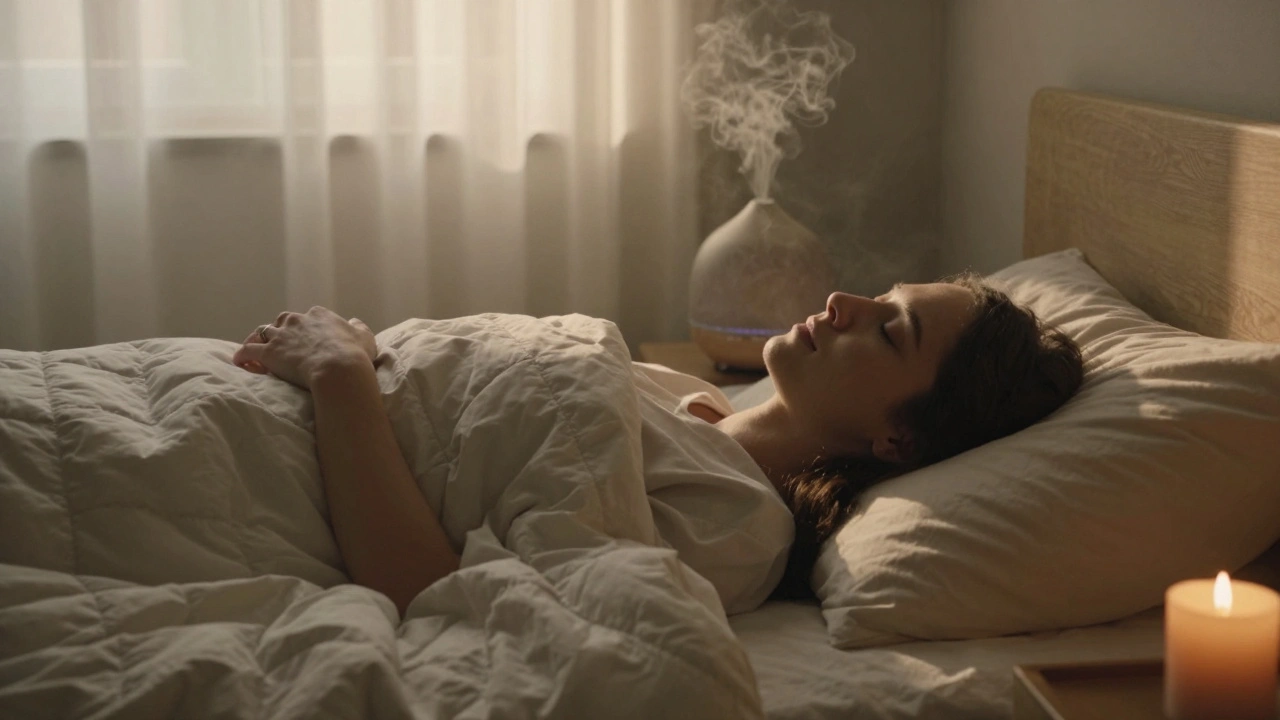
- A person lying peacefully under a blanket after a massage, eyes closed, with a diffuser emitting a soft mist.
- A selection of essential oil bottles (lavender, bergamot, chamomile) next to a carrier oil bottle and a glass mixing bowl.
- A couple giving each other a gentle back massage at home, smiling softly, with candles lit.
Suggested Tables
- Comparison of Aromatherapy Massage vs. Other Relaxation Practices
- Key Benefits of Aromatherapy Massage
- Safety Tips for Aromatherapy Massage